An excerpt of a letter from Rick in February of 2014, when he was still in county jail, and about six months before he was moved to prison. He writes about his idea to start Adopt an Inmate.
I feel as though I am the most well-taken-care-of inmate in Del Valle. Having friends and family who have professed faith in my innocence and pledged support through cards, letters and books is a blessing more valuable than can be conveyed or repaid. It has allowed me to maintain my sanity. Without these blessings I believe I would have fallen into a bottomless pit of despair. This belief and the eye-opening real-life stories revealed to me by fellow inmates drives me to make some difference here. Now and in the future. For a good while I have been contemplating a non-profit I have tentatively dubbed “Adopt-an-inmate.”
The organization would seek to provide the blessings I have received as well as other services possibly required for those caught up in the system without local resources to help them.
While I suspect it is by design, there is no solid proof of a conspiracy to deprive an inmate the means to defend himself. Conspiracy or not, a confluence of jail conditions can prevent the incarcerated from effectively participating in his own defense. It is this predicament that I’d most like to eradicate. Hope is a scarce commodity in jail. Those who provide it to us are God’s own angels.
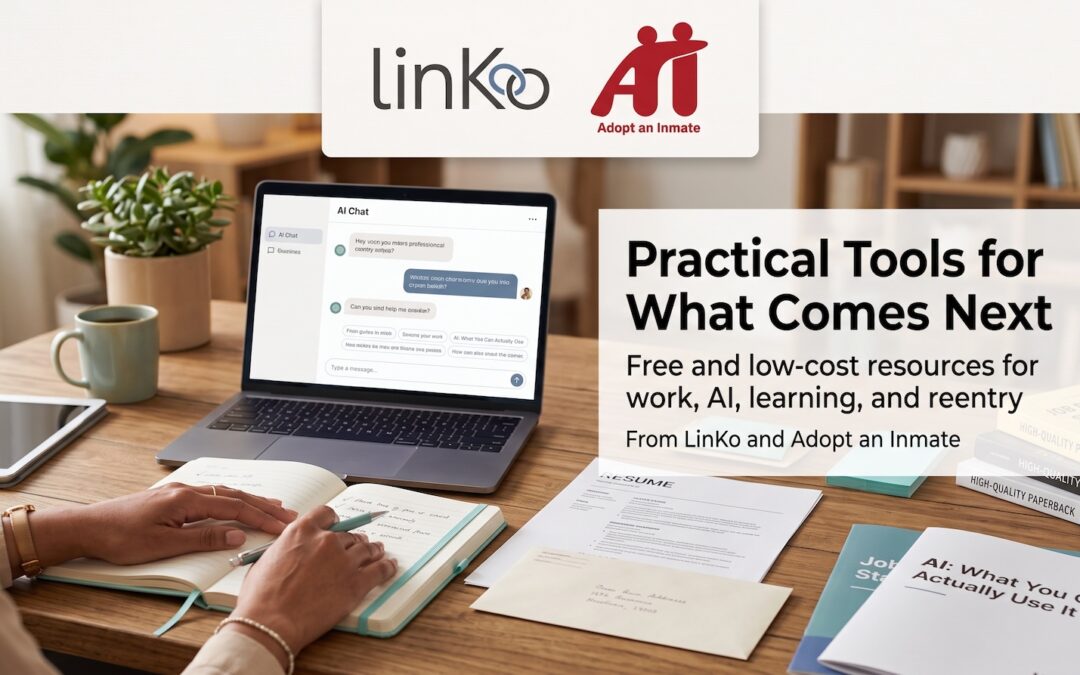
Practical Tools for What Comes Next: New Reentry Resources from Adopt an Inmate + LinKo
For many people in prison, release can feel both hopeful and overwhelming.
There may be questions about work, technology, communication, finances, business ideas, and simply how everyday life has changed. And not everyone is ready to jump immediately into a formal reentry or mentoring program.
Sometimes, the best place to begin is with one practical resource and the freedom to work through it at your own pace.
That’s why Adopt an Inmate is partnering with LinKo, a resource platform offering practical, self-paced tools for people navigating life after incarceration.
The idea grew naturally from conversations about what happens as an adoptee gets closer to work release or coming home. Adopt an Inmate has long focused on meaningful human connection while someone is incarcerated. These new resources offer another way to continue that support as someone begins thinking about what comes next.
Start Free: AI: What You Can Actually Use It For
Artificial intelligence is becoming part of everyday life, work, education, and business—but it can be difficult to know what it actually does or where to begin.
AI: What You Can Actually Use It For is a free, easy-to-understand introduction to practical ways AI can help.
The guide covers ways to use AI to:
prepare for work and interviews
write and communicate more clearly
understand unfamiliar information
learn new technology
explore a business idea
organize tasks and decisions
figure out what to do next
No technical background is required.
The goal is not to “master AI.” It is simply to understand how it can become a useful tool.
The guide is free.
Go Further: AI Practical Toolkit
For someone ready to begin using AI more actively, the AI Practical Toolkit provides hands-on resources for real situations.
It includes:
50+ ready-to-use AI prompts
prompt-building worksheets
job and business workflows
tools for exploring business ideas
help thinking through customers and marketing
a privacy and verification checklist
a Quick Prompt Card for easy reference
The toolkit can be used for work, business, communication, learning, and everyday problem-solving.
For example, someone could use it to prepare for an interview, improve a professional message, explore whether a business idea makes sense, learn unfamiliar technology, or organize the next steps toward a goal.
Adopt an Inmate partner price: $12
Preparing for Work: Job Readiness Starter Kit
Finding work after incarceration brings its own set of questions.
How do you explain a long employment gap? What should you say in an interview? How do you organize a job search? What does a professional resume look like today?
The Job Readiness Starter Kit provides practical tools for:
creating or improving a resume
explaining employment gaps
preparing for interviews
answering difficult questions
organizing a job search
communicating professionally
preparing for the first days on a new job
Like the AI Toolkit, it is designed to be used independently and at the learner’s own pace.
Adopt an Inmate partner price: $12
A Resource for the Transition
These materials will not be relevant to every Adopt an Inmate participant right now.
Some adoptees may still be years away from release. Others may be approaching work release, preparing to come home, or already rebuilding their lives in the community.
For those who are nearing that transition, LinKo can serve as a practical bridge.
During a recent conversation about the partnership, Adopt an Inmate founder Melissa Bee noted how valuable it could be to maintain connection with adopters and adoptees after release rather than allowing that relationship to simply end when incarceration does. The resources provide one possible way to continue that support.
And because the materials are self-paced, people do not have to be ready for a formal mentoring relationship or structured program before they can begin.
They can simply start with one question, one worksheet, or one task.
For Adopters: Keep This Resource in Mind
If the person you are matched with is approaching release, entering work release, or has recently come home, consider sharing the LinKo resource page with them.
If release is still a long way off, there is no need to do anything now. Simply keep the resource in mind for later.
Even knowing that practical help will be available can make the transition feel a little less uncertain.
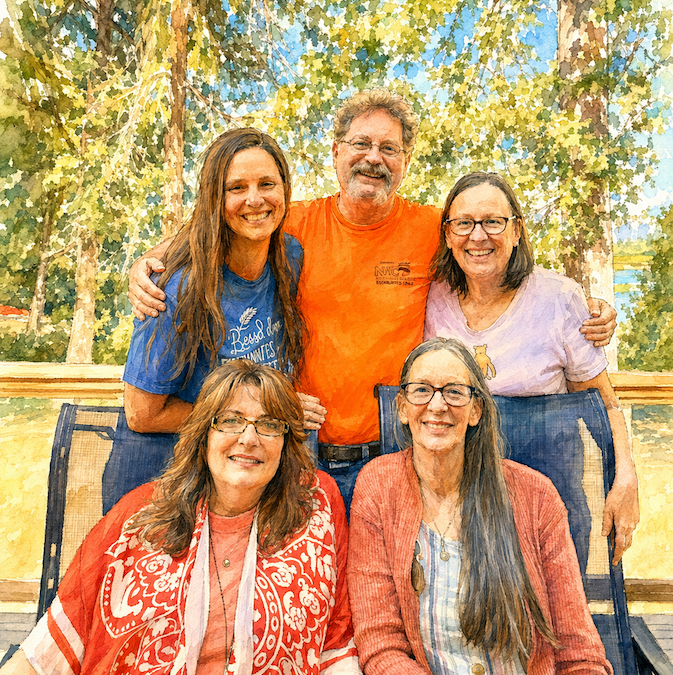
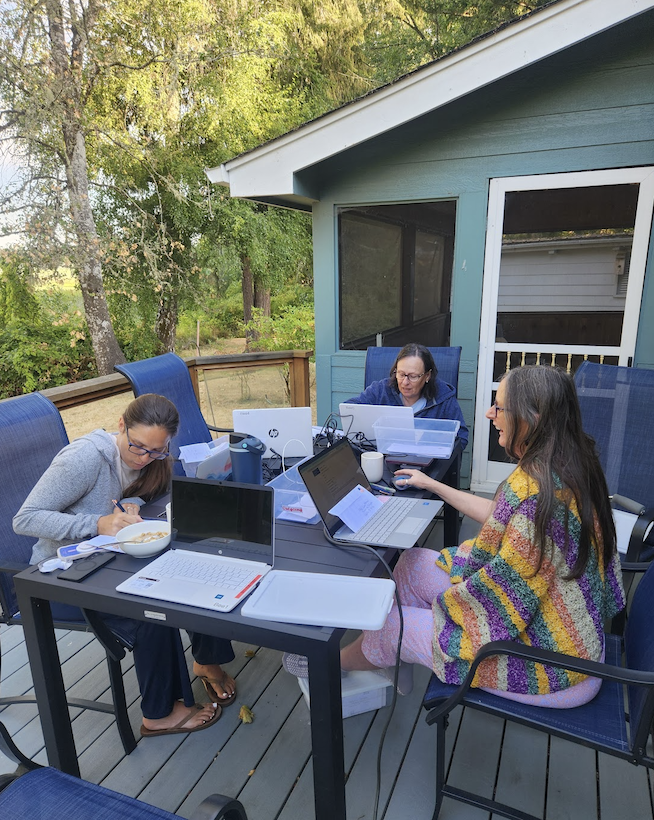
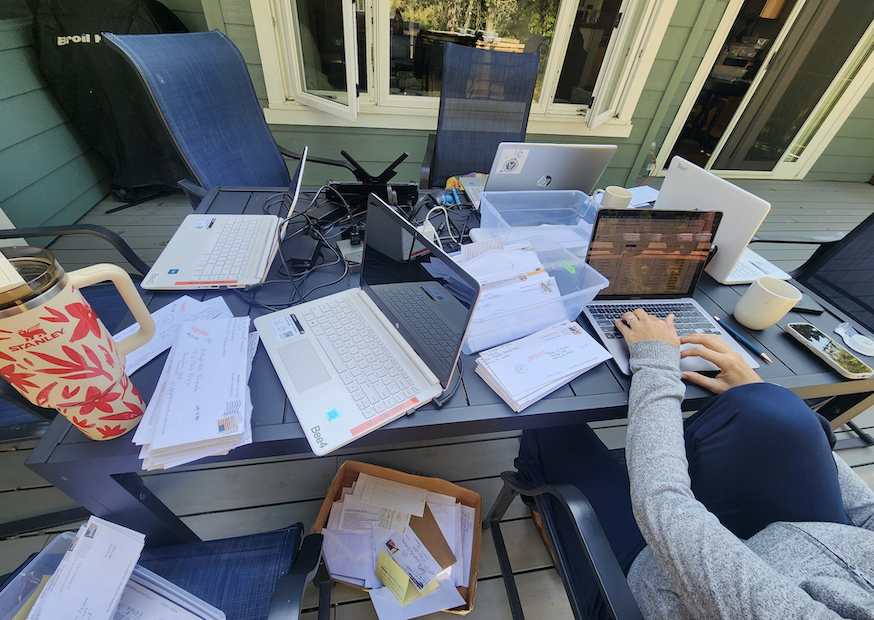
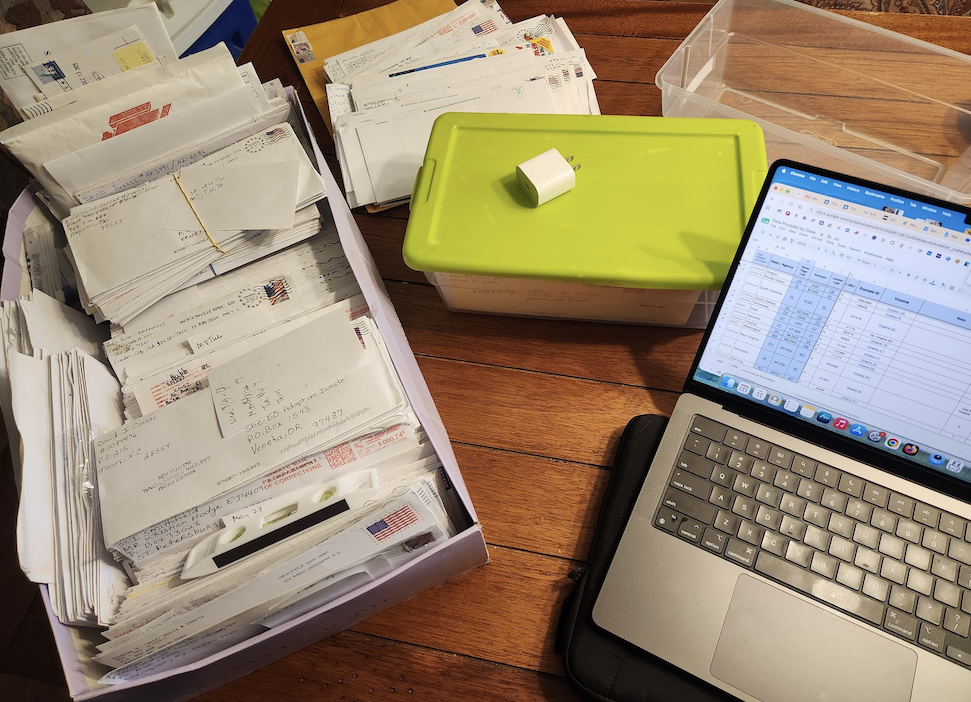
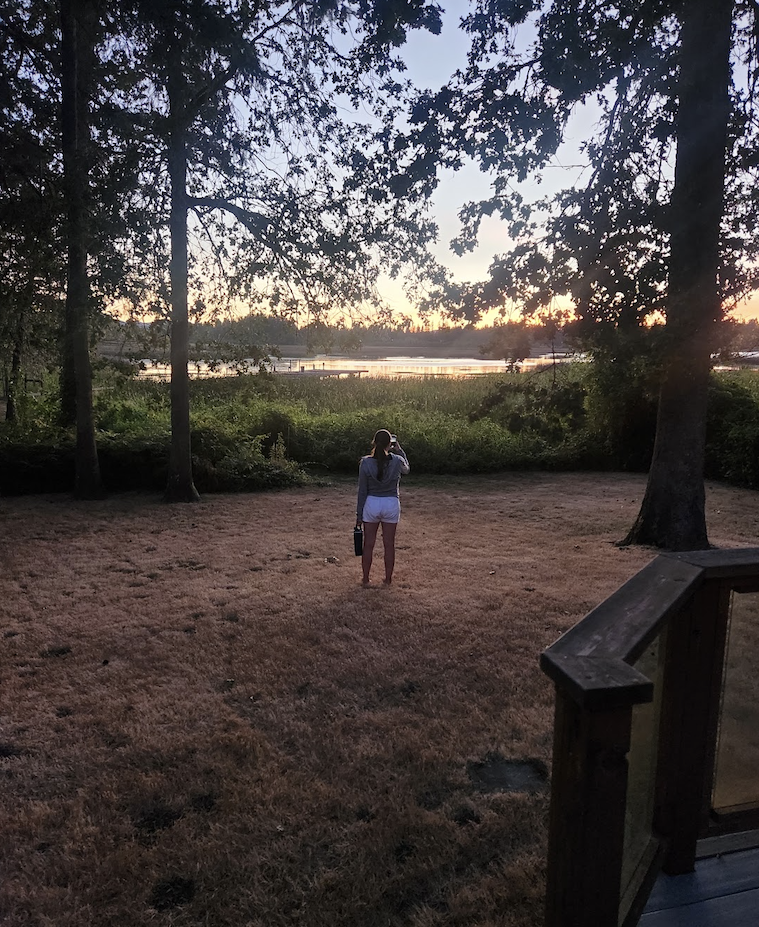
Yesterday there was a lake outside the window, laptops covering the deck, mail sorted across every available surface, meals squeezed in between projects, and some of our favorite people gathered in one place doing the work we usually do from miles apart.
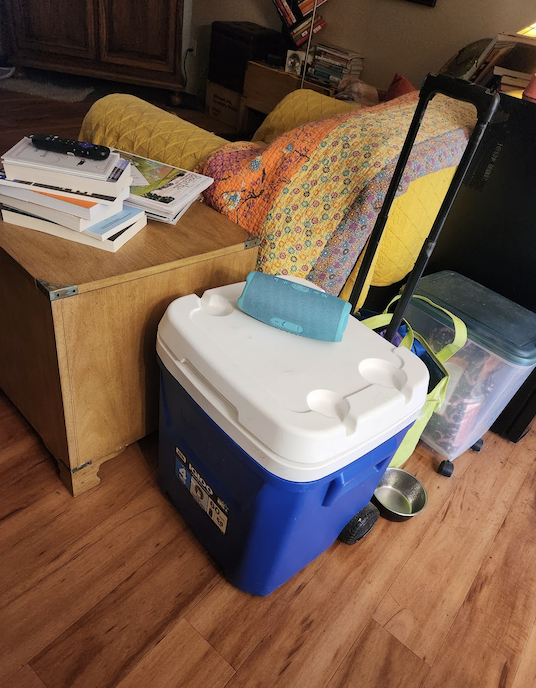
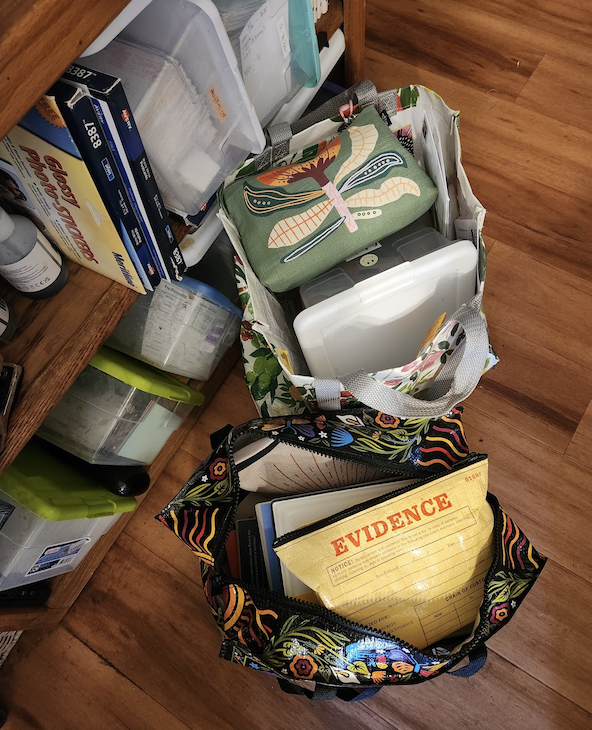
Today, there are boxes. And bags. And bins. And a cooler in my living room. 😂.
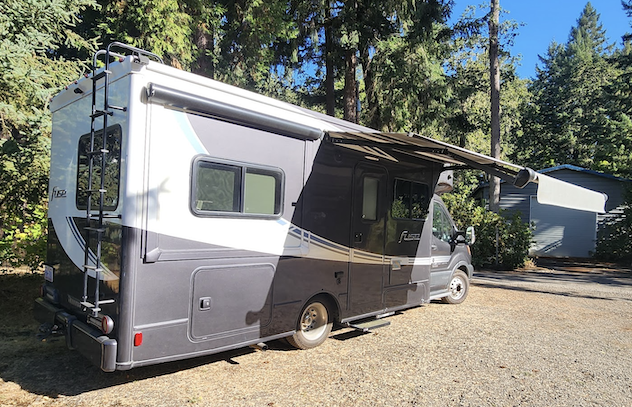
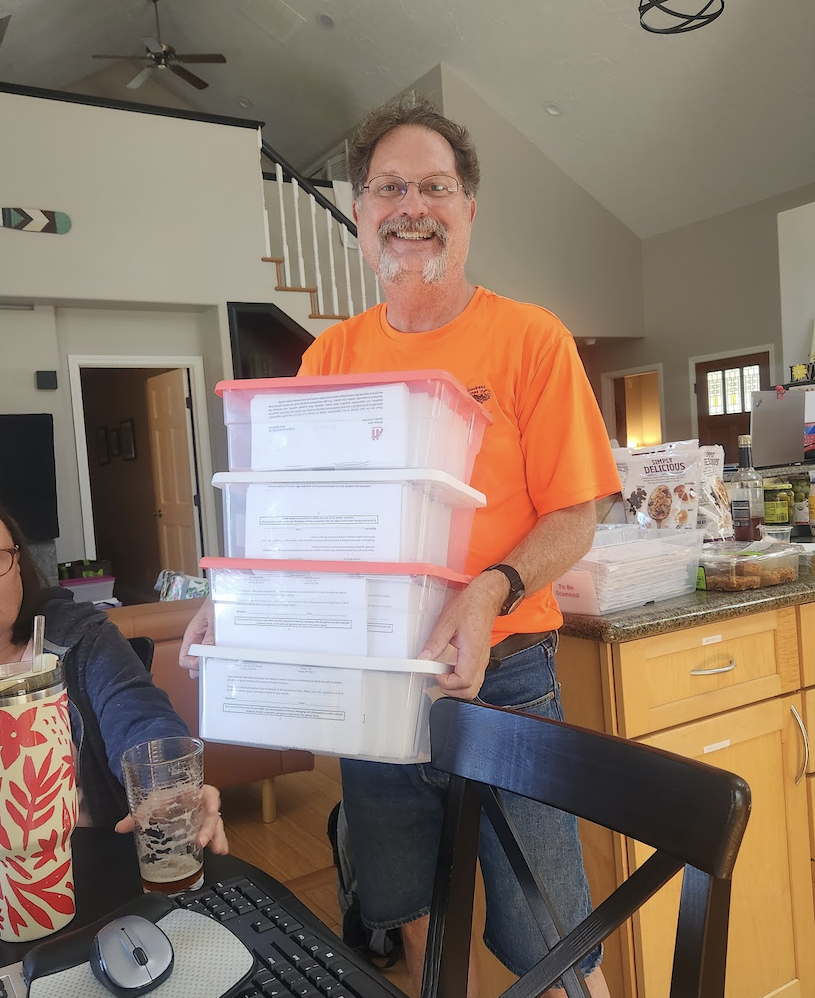
This is the part of a volunteer weekend that doesn’t usually make the pictures: unloading the car, putting the office back where it belongs, figuring out which pile goes where, and discovering that somehow half of Adopt an Inmate appears to have moved into your house overnight.
But there’s another kind of aftermath, too.
We came home carrying much more than supplies and mail. We came home with ideas we finally had time to work through together. Projects that moved forward. Conversations that went places we didn’t expect. A new matching app getting closer to the finish line. Hundreds of pieces of mail handled by actual human hands, now on it’s way to humans inside.
Liz 💗 flew in from California to be with us — fresh from having her third baby, no less. Liz is our Communications & Engagement Specialist, but that title barely captures what she does. Many of the adopters who follow our work have heard from her personally. She helps finalize matches, keeps adopters informed, follows up on all the little details that make those connections possible, and helps keep our ever-growing database accurate and up to date. She does all of that while raising three children, being a wife, working a full-time job — and still makes the time to devote herself to this work. We appreciate and love you dearly, Liz. Buzz Fest simply could not happen without you.
Scott, one of our local mail-processing regulars, stopped by as he always does. Scott works steadfastly on mail throughout the year, and Buzz Fest would not be complete without a visit from him to drop off completed work, share a meal, catch up with everyone — and, very often, take out the trash. 😂 We appreciate all of it.
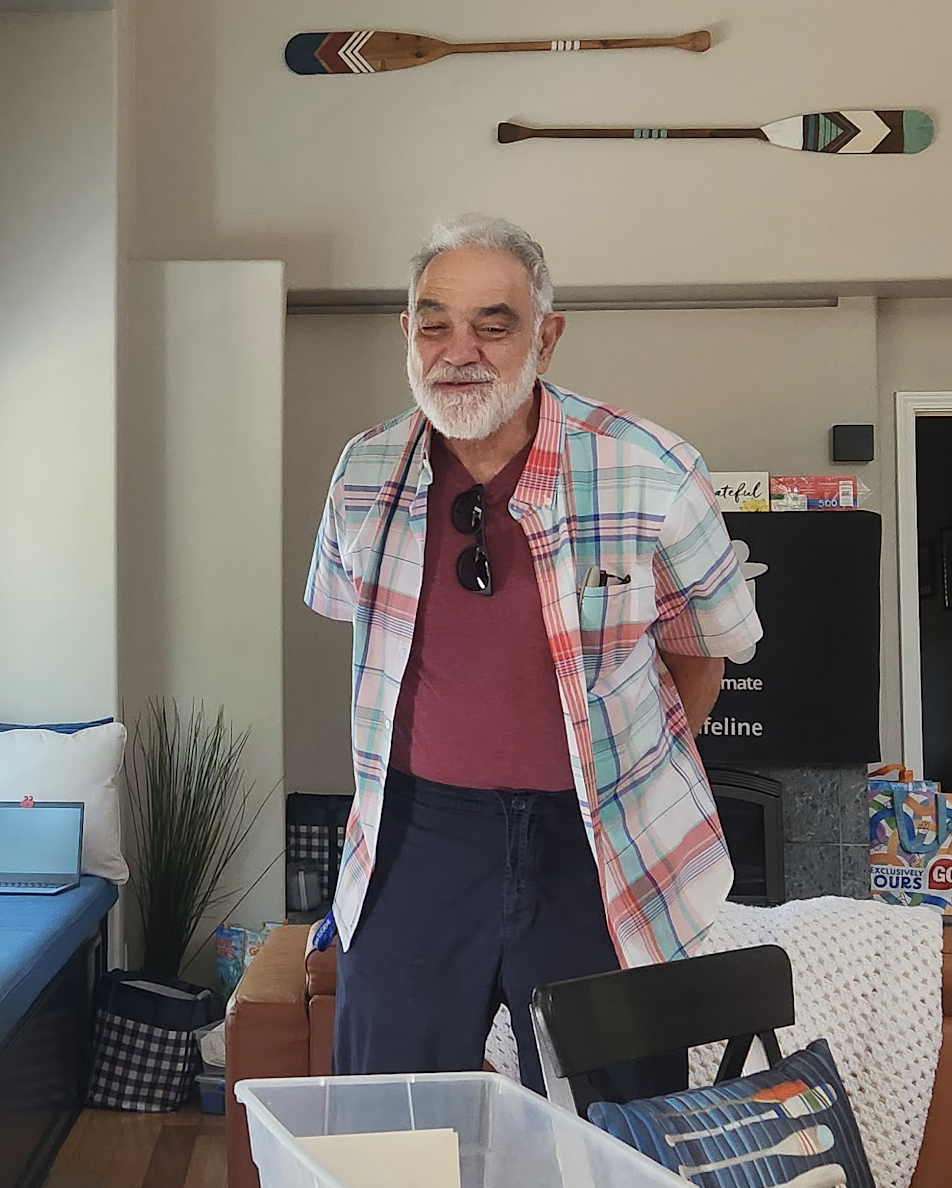
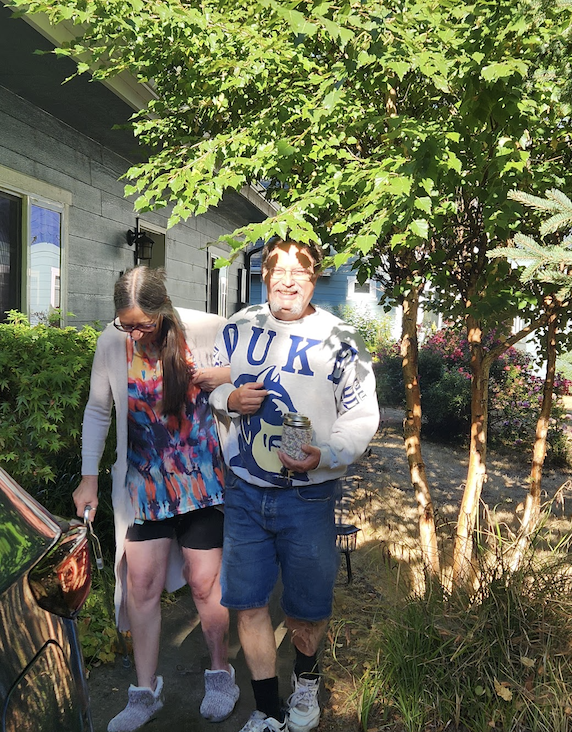
Eric and Anne came all the way from North Carolina to be with us, and by the end of the weekend they had become part of the mail-processing crew — learning our systems, sorting and working through stacks of correspondence, and even taking mail home with them to continue processing after their trip. Somewhere along the way, they also adopted two more people inside.
Watching Anne settle into the work was especially lovely. She jumped in with her whole heart, learned quickly, and stayed busy.
And then there is Eric’s happy dance. 😂 If watching this man celebrate doesn’t make you smile, I’m not sure we can help you. His enthusiasm is absolutely infectious — and fortunately for us, he brought plenty of it to Buzz Fest.
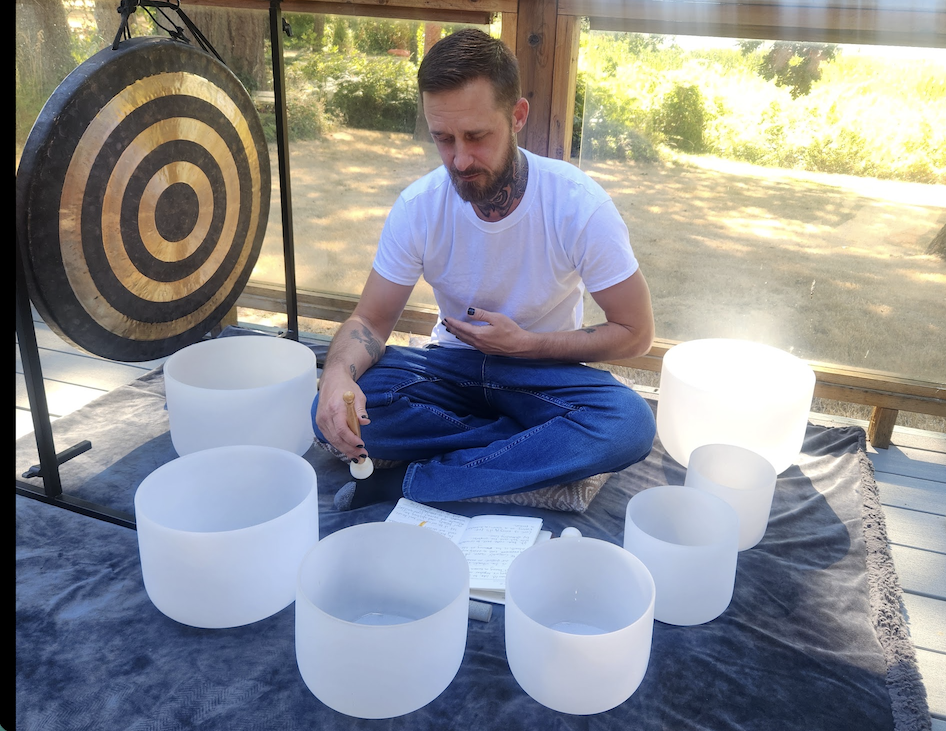
Brian joined us on our last full day for a sound bath on the deck overlooking the lake. He talked with us for a bit, and led us through a guided meditation that was a profound highlight of the weekend. He spoke candidly, about addiction, the isolation of incarceration, and his recovery. He didn’t polish the story or skip the ugly parts. That honesty opened the door to a conversation about prison, mentorship, expectations, failure, and what it actually means to keep showing up for another person. (You can follow Brian on YouTube @BWSoundbath.)
It was powerful. It was raw and generous and honest. It was healing. And I know every one of us carried something away from it.
And then there was Leah.
This year’s Buzz Fest was her first real outing beyond doctor appointments since her surgery, so she spent the weekend hobbling around, doing her exercises, resting only when she had to (rarely) — and still somehow getting an enormous amount done. Because that’s what she does.
Today is also her first official day back at work, which means she is probably discovering that “returning to normal” is a very rude concept. 😂
And although Rick couldn’t be with us in person, he was very much part of Buzz Fest from his home in Arizona — on the phone with us, troubleshooting, testing, and working furiously behind the scenes to get our new Blueprint matching app ready to launch.
None of this exists without him.
Thirteen years ago, from a phone in county jail — innocent of the charges against him — he said to me, “There’s a lot of good people in here. And a lot of sad stories. I want to do something to help them.”
That sentence became Adopt an Inmate.
And here we are. Still opening letters. Still matching. Still collaborating. Still doing good.
Rick knew it from the inside. Brian’s life tells us the same thing. So do thousands of people whose letters continue to pour in.
There are stories and talents and humor and generosity and wisdom in people who have been locked away and intentionally isolated from the rest of us.
Warehousing human beings does not make us safer or better. Throwing people away does not create accountability, healing, or change. Connection does.
So today, we put things away. We answer the emails that accumulated while we were together. We figure out what comes next.
And maybe we move a little slowly.
We all carried something home from Buzz Fest.
Some of it is currently piled in our living rooms.
Some of it is headed all the way back to North Carolina.
This Sunday Read is coming to you from our 10th annual Volunteer Buzz Fest.
For a few days, some of the people who keep Adopt an Inmate moving throughout the year have gathered in one place to work, plan, test, troubleshoot, eat together, laugh together, and finally tackle some of the projects that are harder to accomplish when everyone is working from different places.
There are laptops open. Lists being checked. Systems being tested. Pages being updated. Projects being passed around the table.
It is very much a working weekend.
But it has also been one of those weeks when several pieces of our work suddenly seemed to connect.
One of the biggest things on our table this weekend is our new matching app.
For more than a decade, creating thoughtful matches between adopters and people in prison has required an enormous amount of human labor behind the scenes.
We have never simply assigned the next person on a waiting list.
We look at interests, preferences, age, location, communication options and other details that might help form the foundation of a genuine relationship.
With the help of a talented student team from UC Berkeley’s Blueprint program, we have now built a tool designed specifically around that process.
The new app asks applicants about their preferences, identifies a small group of potential matches, and allows them to rank the people they feel most drawn to.
It also incorporates some of what we have learned over the years about healthy adoption relationships: clear expectations, thoughtful pacing, previous adoptions and the importance of giving a new connection time to develop.
Technology cannot create a friendship.
But it can help us spend less time moving information from one place to another and more time supporting the relationships that result.
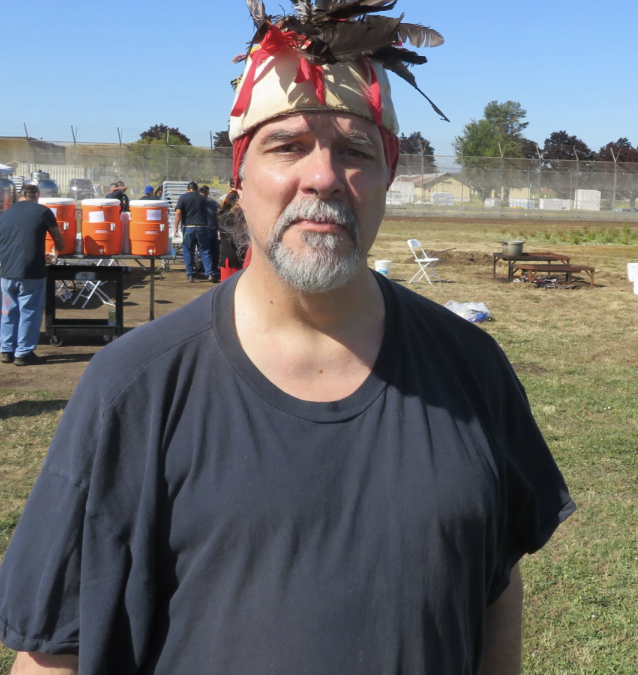
First, my radio alarm woke me to a KLCC story about a powwow at Oregon State Correctional Institution.
As I listened, I suddenly recognized the person speaking.
It was Charlie, someone we know through Adopt an Inmate and someone we have identified as a possible participant in a future Letters From Prison: In the Classroom collaboration.
A few days later, I was watching CBS News when another familiar face appeared.
And now all of those threads have followed me here.
To the Buzz Fest table.
Because this is what so much of nonprofit work actually looks like.
A form gets improved.
A database gets cleaned up.
Someone tests an app.
Someone rewrites instructions.
Someone answers an email.
Someone checks a record.
Someone finds a better way to do something that has been taking too much time.
Most of it will never appear in a news story.
Much of it will never even be noticed by the people we ultimately serve.
But somewhere downstream from all those little administrative tasks is something that does not feel administrative at all:
Two people meeting.
A letter arriving.
A student asking a question.
A book crossing a prison wall.
Someone turning on the radio and hearing a familiar voice.
That is why the little things matter.
The form matters.
The database matters.
The instructions matter.
The bug fix matters.
The classroom email matters.
Because none of those things is really the point.
The person on the other end is.
If there is a theme running through everything we published this week, I think it is this:
Connection has a way of traveling.
Through technology.
Through letters.
Through books.
Through classrooms.
Through television and radio.
And sometimes through a group of volunteers sitting around a table together, doing the quiet work that makes all the other connection possible.
Thank you to everyone who writes, volunteers, donates, shares our work, teaches with us, reads with us or simply believes that a person should never be reduced to a prison number.
This weekend, we are buzzing.
And I cannot wait to show you what we have been building. 🐝
When Blueprint first asked what technology could do for Adopt an Inmate, we knew exactly where we needed help.
Matching.
Creating thoughtful matches between adopters and people in prison is at the heart of our work. It is also one of our most detailed, labor-intensive processes, and we have always believed it deserves that care.
Now, after months of collaboration with a talented team from UC Berkeley’s Blueprint, we are preparing to launch a new matching app designed specifically for Adopt an Inmate.
More than choosing the next name on a list
One of the things that makes Adopt an Inmate unique is the intention we bring to every match.
When someone applies to become an adopter, we do not simply assign them the next available person on our waiting list. We consider the information each person has shared, including common interests, age preferences, location, available methods of communication, and other details that may help form the basis of a genuine connection.
From there, we create a small list of potential adoptees for the adopter to consider. The adopter reads about each person and ultimately chooses one person to contact.
This process takes time, and rightly so, because it matters so much.
The relationship that follows may last for years. For someone in prison, it can mean encouragement, friendship, consistency, and a connection to life beyond the walls. For an adopter, it can become an opportunity to know someone they might otherwise never have met, and to discover how much two people can share despite vastly different circumstances.
A meaningful relationship cannot be guaranteed by an algorithm. But the process of finding promising connections can be made more efficient, consistent, and manageable.
That was the challenge we brought to Blueprint.
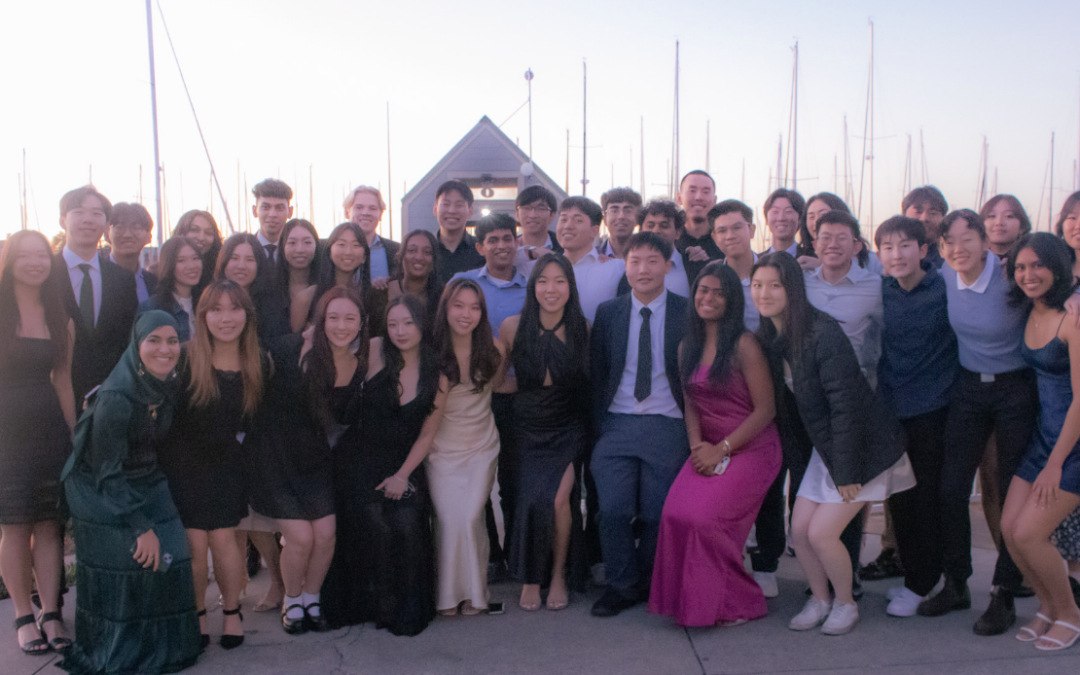
Chosen as a Blueprint nonprofit partner
Blueprint is a student organization at the University of California, Berkeley, that develops technology for nonprofit organizations.
Before a project began, Rick and I participated in several meetings to explain our organization, the matching process, the challenges our volunteers face, and what we hoped technology might help us accomplish.
We were thrilled when Adopt an Inmate was chosen as one of Blueprint’s nonprofit partners.
Once work began, we met frequently with the Blueprint team to discuss features, review designs, answer questions, test early versions, and work through the many specifics involved in translating a very human process into an effective digital tool.
Our goal was never to automate matching at the expense of thoughtfulness.
It was to automate the repetitive and time-consuming parts while preserving the integrity and intention that make our matching process distinctive.
How the app works
The new app guides prospective adopters through the application and selection process.
Adopters provide information about themselves, their interests, their preferences, and the kind of connection they hope to form. The app then uses that information – along with the details provided by people on our waiting list – to identify a small group of potential matches.
The adopter can review those individuals and choose one person with whom they would like to begin corresponding.
The app also helps us apply our guidelines more consistently and collect the information our team needs without relying on so many separate forms, searches, emails, and manual steps.
There will still be human oversight, especially as we begin using the system. Technology can help us manage the process, but people remain at the center of every decision and every connection.
The app does not create the relationship.
It helps bring two people to the point where one can begin.
Preparing for launch
We are now in the final testing phase and preparing to launch the app publicly.
That work will be a major focus of Buzz Fest 2026, our tenth annual volunteer gathering. During the weekend, our team will test the adopter experience, look for bugs, review the wording and instructions, and make sure the process works as intended from beginning to end.
It feels especially fitting to prepare this new tool during a gathering that commemorates ten years of volunteer work.
For a decade, volunteers have donated countless hours to matching, correspondence, data entry, outreach, troubleshooting, and all the behind-the-scenes work required to keep Adopt an Inmate moving forward.
This app does not replace that work. It grew from it.
It reflects what our volunteers have learned through years of creating matches by hand: what information matters, where complications arise, what safeguards are needed, and why efficiency must never come at the expense of care.
[Add an update after Buzz Fest about the testing, any changes made, and the anticipated launch date.]
A new tool, with the same purpose
Our systems have changed considerably since Adopt an Inmate began.
Our waiting list has grown. Our reach has expanded. Our volunteers are working with more information, more requests, and more complex processes than ever before.
But our purpose remains simple.
We want people in prison to know that they have not been forgotten.
We want adopters to enter these relationships thoughtfully and with genuine intentions.
And we want each connection to begin with the best possible chance of becoming something meaningful.
The Blueprint app will help us do that work more efficiently – but still one person, one choice, and one human connection at a time.
We are profoundly grateful to the Blueprint team for choosing Adopt an Inmate, listening carefully to our needs, and building a tool that honors the heart of our mission.
Learn more about UC Berkeley Blueprint and its work using technology for social good.
Your contribution helps make our annual volunteer gathering possible and supports the work our team is doing to test, refine, and prepare this important new tool for launch.
Charlie is one of the people we’ve gotten to know through Adopt an Inmate, an inside participant in a Letters From Prison: In the Classroom collaboration. I went looking for the story afterward, and there he was—not only speaking in the piece, but pictured in the accompanying story.
There is something wonderfully strange about encountering someone you know from inside prison out in the wider world like that.
And then it happened again.
This time I was watching CBS News and saw a story about Paws For Life, the California program that brings incarcerated people together with rescue dogs for training and rehabilitation.
And there was Adrian Berumen.
Adrian is one of our artist contacts inside the California Department of Corrections and Rehabilitation, who is also active in the dog program at his institution.
Twice.
In one week.
Two people we know inside prison suddenly appearing in news stories in the outside world.
What struck me most was what those stories allowed other people to see.
Charlie wasn’t simply an “inmate at OSCI.” He was a person participating in a cultural tradition and talking about what it meant to him.
Adrian wasn’t simply an “inmate in California.” He was someone caring for and working with an animal, participating in a program built around trust, responsibility and connection.
Those distinctions matter.
So much of what the public sees about incarcerated people begins with the thing that brought them to prison. Their crime. Their sentence. Their mugshot. Their worst day.
But that’s never the whole person.
The people we’ve come to know through Adopt an Inmate are readers and writers. Artists and musicians. Parents and grandparents. Students and teachers. Dog lovers. People of faith. People learning languages. People preserving cultural traditions. People trying to become better versions of themselves.
They are complicated human beings.
Just like the rest of us.
That’s one of the reasons I’m so excited about Letters From Prison: In the Classroom. When students have an opportunity to communicate directly with someone who is incarcerated, they’re no longer learning about an abstract population.
They’re meeting a person.
They can ask questions.
They can listen.
They can encounter experiences very different from their own.
And perhaps they can discover that the distance between “us” and “them” isn’t nearly as great as we’re sometimes encouraged to believe.
I loved seeing Charlie come through my radio this week.
I loved spotting Adrian on my news feed.
And I especially loved that, for a few minutes, people on the outside got to see something we at Adopt an Inmate have the privilege of seeing all the time:
A few weeks ago, we shared the story of a book that crossed a prison wall.
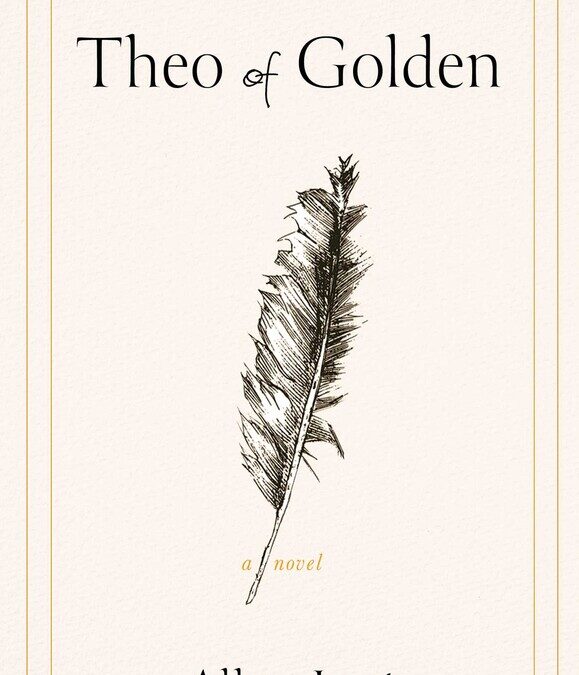
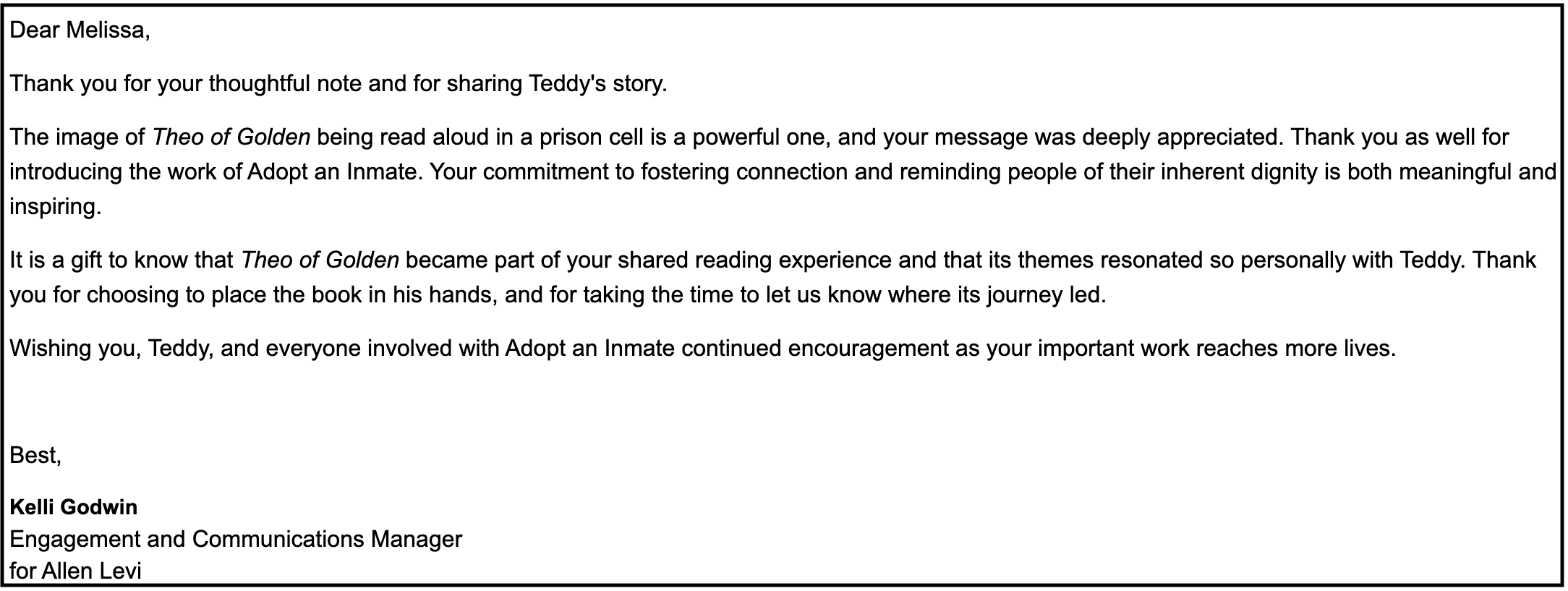
I sent Theo of Golden by Allen Levi to my friend Teddy, who is incarcerated in California. I listened to the audiobook while Teddy read the print edition – and, along the way, he began reading it aloud to his cellmate.
What began as a gift became a shared reading experience among three people in very different places.
The book’s themes – kindness, regret, grief, redemption, generosity, and the quiet ways one person can change another person’s life – felt especially meaningful in that setting.
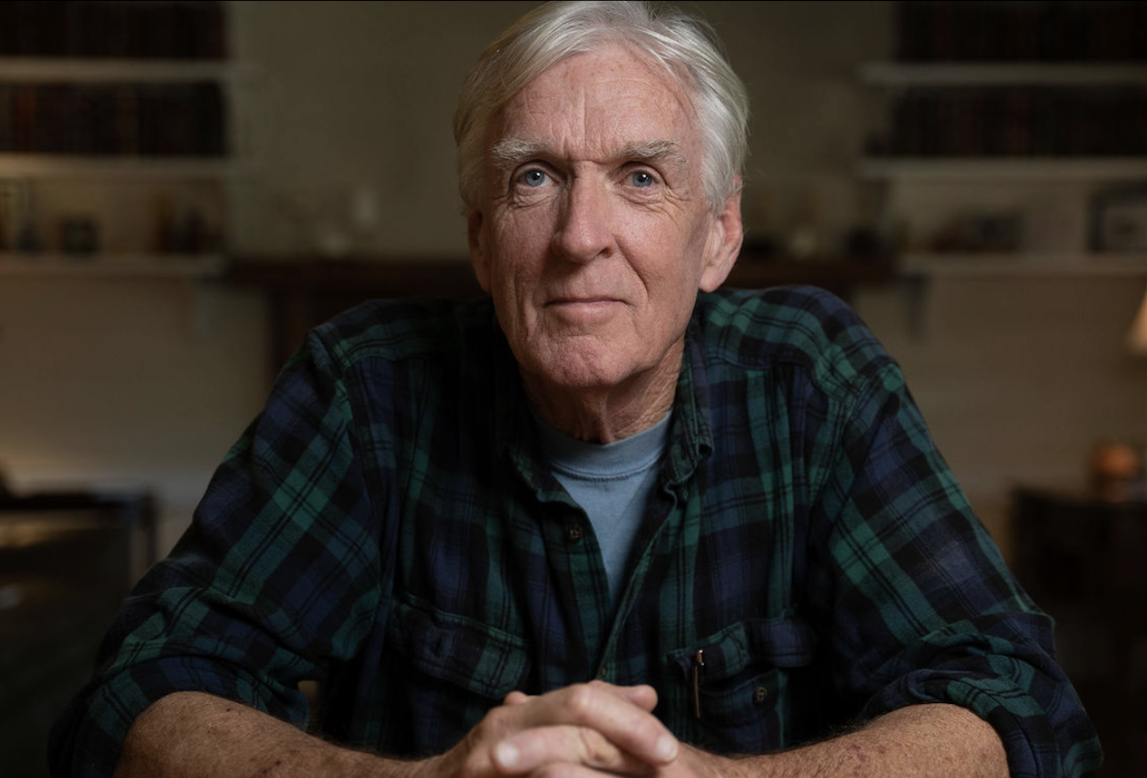
After finishing the book, I wrote to its author, Allen Levi.
I wanted him to know where his book had gone.
I told him about Teddy, about Theo of Golden being read aloud inside a prison cell, and about the work of Adopt an Inmate to foster connection and remind people of their inherent dignity.
I did not know whether my message would reach him or whether anyone would have time to respond.
But it did, and they did.
“The image of Theo of Golden being read aloud in a prison cell is a powerful one.”
Yes it is.
The scene that holds the heart of the story
Kelli’s reply also led me back to a short video in which Allen Levi is asked whether he has a favorite moment or chapter in Theo of Golden.
His answer is that he does not, exactly. But he identifies one encounter as especially significant thematically: a legal conversation between Kendrick Whitaker and District Attorney Derrick Prentiss in Chapter 42.
Allen Levi practiced law and also served as a judge, which gives particular weight to his understanding of this moment. He knew the legal system from within – the gravity of its decisions, the pressures placed on the people making them, and the human lives that cannot be contained neatly within a case file.
***Spoiler note: The following discusses an important storyline in the novel***
The encounter Levi refers to is when Mr. Mendez, an undocumented father who had returned to the United States because his own daughter needed cancer treatment, is being sentenced for causing an accident that resulted in terrible loss and injury to Kendrick and his family.
What the District Attorney does not remember is that Kendrick himself has been in his own courtroom before.
Kendrick: I don’t mean to be rude or anything, but you don’t remember me, do ya?
Prentiss: No, sir, Mr. Whitaker, I don’t. Where would I know you from?
Kendrick: From the courthouse, about eighteen months ago. I think maybe you don’t remember me ‘cause you never looked at me. You didn’t look at me a single time. You put me in jail eighteen months ago for something I didden do.”
Prentiss: I handle a whole lot of cases. Sometimes too many and too quickly. I admit, I don’t really have time to look at everybody.
Kendrick: I don’t mean to be disrespectful, Mr. Derrick, and I know you deal with some mighty bad people, but it might do you good to look at some faces sometimes. There are some real people in those faces.
I learned something from Mr. Theo. God gave us faces so we can see each other better.
Kendrick looks into Mr. Mendez’s face and recognizes fear, grief, love, and a father’s desperation. Mr. Mendez is no longer only the man responsible for the worst day of Kendrick’s life. He becomes a person.
Theo does not ignore people’s flaws or losses.
He looks deeply enough to see beyond them.
Theo shows people something they may no longer be able to see in themselves. He recognizes their goodness, their sorrow, their beauty, their contradictions – even their sainthood – not because they are flawless, but because their flaws and losses are not the whole of who they are.
The scene does not deny the terrible harm Mr. Mendez caused. Kendrick’s family is still suffering. Nothing restores what was lost.
But Kendrick comes to understand that recognizing another person’s humanity does not betray the people we love, or erase accountability.
Mercy is not blindness.
People in prison are constantly reduced to abstractions: an offense, a sentence, a number, a label, a single terrible chapter.
Our work asks people to look further.
To see a face. To read a story. To discover qualities that may not appear anywhere in a court record or case file.
Find yourself a cozy spot and settle in. This week’s Sunday Read brings together stories of memory, transformation, connection, and the many ways people continue to make an impact from inside prison walls.
Before you begin: Our 10th Annual Volunteer Weekend is just two weeks away, and we need help covering meals, supplies, and volunteer appreciation gifts. Please consider making a donation to our Bee Fest 2026 campaign or sharing it with someone who may be able to help.
The past few weeks have brought stories of memory, transformation, addiction, connection, and the lasting importance of simply letting someone know: you have not been forgotten.
They have also brought unexpected challenges close to home. Our Director of Volunteer Operations, Leah, is recovering from a serious leg injury and surgery. Even from bed, she joined our recent board meeting and continues to stay connected to the work as she heals. We are incredibly grateful for her – and very aware of how much she carries for Adopt an Inmate.
As we support Leah through her recovery, we are also preparing for our Annual Volunteer Weekend, August 7–10. This cornerstone event brings people together to help us reach, support, and connect more people impacted by incarceration.
Joshua in Washington reflects on the people, places, traditions, contradictions, and painful memories that shaped his life in this moving poem written from inside.
“I Am From” is deeply personal, but its themes are universal: family, place, identity, grief, and the complicated memories we carry with us.
A book can become more than a book when two (or more) people read it together.
This post was inspired by Teddy in California, who is reading Theo of Golden by Allen Levi aloud to his cellmate while I follow along with the audiobook outside. That simple experience led us to begin sharing occasional reading recommendations for adopters, adoptees, friends, and family members who want another way to connect.
Books are one of the few gifts that can still cross prison walls – and a shared story can create conversation, comfort, and moments of genuine companionship across distance.
While serving a life sentence in Oregon, Dr. Eric Burnham earned his PhD and transformed his study, reflection, and lived experience into three books addressing addiction, trauma, emotional intelligence, and healthier relationships.
Eric has contributed writing to our blog for many years and is a longtime friend and colleague of our formerly incarcerated board member, Martin. As Eric approaches a parole hearing this September, we are proud to share the work he has created to help others heal and grow.
Maurice was one of Adopt an Inmate’s earliest adoptees. He died in federal custody four years ago, but a recently rediscovered letter reminded us of the joy he felt when he was matched with an adopter.
His words also reminded us why this work matters. A person’s life is larger than a prison record, and every person deserves to be known and remembered by name.
In this episode of 40 Minutes With 40, founder “Free” and an anonymous guest known as “Black” discuss addiction inside the Virginia Department of Corrections.
Their conversation explores the fentanyl crisis during COVID, the substance known as “Paper,” the reasons drugs remain so compelling inside prison, and the alternatives that could better support recovery.
It is a candid discussion about addiction, environment, pain, and what meaningful help might actually look like.
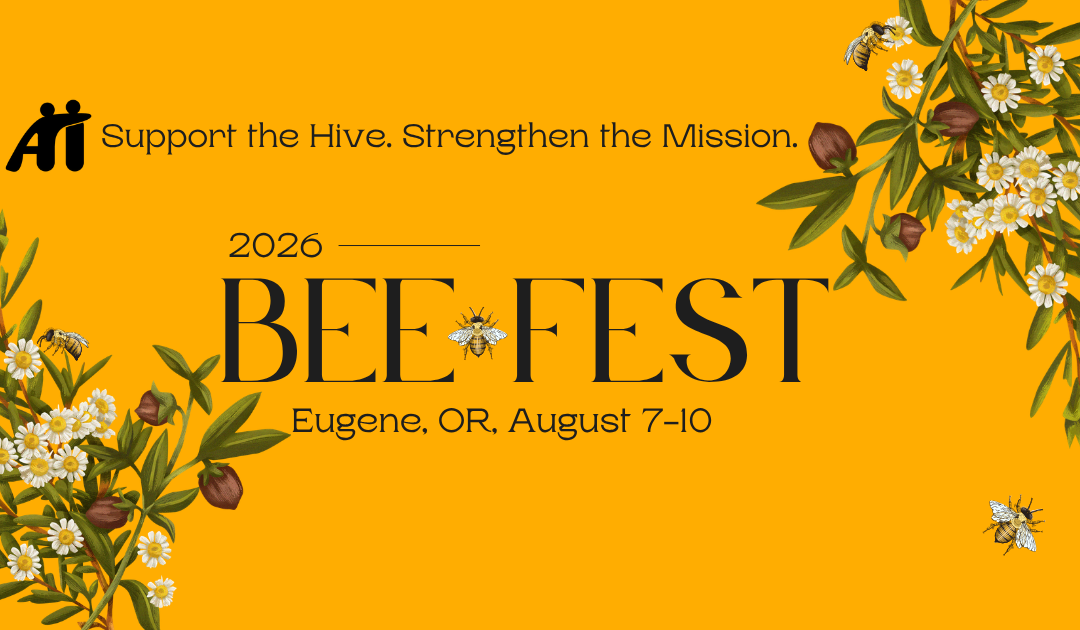
Our 10th Annual Volunteer Weekend – Bee Fest 2026 – is coming August 7–10. As volunteers prepare to gather for several days of work, connection, and celebration, we are raising funds to help cover meals, supplies, and, if possible, small appreciation gifts.
We have set an achievable goal of $1,000, and every contribution or campaign share will help.
Until next time …
—Melissa 🐝
A question for readers: Has a book, letter, poem, or conversation ever helped you feel less alone, or changed the way you understood someone else?
Quote of the Week: Stories can conquer fear, you know. They can make the heart bigger. — Ben Okri
💌 Donate Stamps – SOS: Stamp out Silence!
✍️ Take the Quiz – How much do you know about U.S. prisons?
❤️ Give – Help us keep breathing together
🗣️ Add Your Voice – Submit your responses to our Good, Bad, Change poll ⏩Share this post – Someone needs to see this
From August 7–10, volunteers will gather for our 10th Annual Volunteer Weekend – Bee Fest 2026.
Since our first Volunteer Weekend in 2017, these gatherings have given us a rare opportunity to work side by side, tackle major projects, strengthen our organization, and celebrate the people who make this work possible. This year is especially meaningful, not only because it marks a full decade, but because we will be gathering while our Director of Volunteer Operations, Leah, continues to recover from her injury and surgery.
To make the weekend possible, we urgently need help funding meals, project supplies, and, if our budget allows, small gifts of appreciation for the volunteers who are donating several days of their time.
Our fundraising goal is $1,000, and every contribution will directly help us care for the volunteers who show up to care for this mission. Whether you can give $10, $25, $50, or simply share the campaign, it will make a genuine difference.
Please help us make our 10th Annual Volunteer Weekend possible:
Ten years of Volunteer Weekends means ten years of people showing up – not for recognition or reward, but because they believe that people impacted by incarceration deserve connection, dignity, and hope. We would love your help carrying that tradition into its second decade.
A recent episode of 40 Minutes With 40 offers a frank conversation about addiction inside the Virginia Department of Corrections. Founder “Free” speaks with an incarcerated guest known as “Black” about the drugs circulating in prison, why people use them, and why punishment alone does so little to stop the crisis.
When Free asks what contributes most to drug use inside, Black’s answer is immediate:
“Lack of programming.”
He explains:
“We’re in a box, all day long.”
That simple statement captures something often missing from public conversations about prison drug use. People are confined for years – sometimes decades – with too little meaningful activity, inadequate mental-health care, few opportunities to grow, and no real escape from the noise, violence, grief and hopelessness around them.
As Black also reminds listeners:
“We got a bunch of good guys in here.”
People struggling with addiction are not disposable. They are not beyond help. And they are not made healthier by having every remaining source of hope taken from them.
Drugs have not disappeared with physical mail
Many prison systems have restricted or eliminated physical personal mail, replacing original letters with scanned copies or digital messages. These changes are frequently justified as efforts to stop contraband.
Yet people incarcerated in multiple states have told us that the availability of drugs has not declined – and in fact the crisis appears to have grown worse.
One of our contacts in a Florida prison described officers walking past people experiencing apparent overdoses. Kurtis, who is incarcerated in Illinois, has told us that there are sometimes as many as five deaths in a single week where he is, related to drugs.
These personal accounts do not establish exactly how every substance enters every prison. They do, however, challenge the idea that ordinary family letters are the primary cause of the drug crisis. When physical mail disappears but drugs remain plentiful, prisons must look honestly at other points of entry rather than continuing to burden families and sever meaningful connections.
Mail restrictions also carry a painful cost. A handwritten letter is often one of the few tangible reminders a person has that someone outside still sees, remembers and loves them. Removing that connection can deepen the very isolation and despair that make substance use more appealing.
Punishment is not treatment
The conversation also examines the correctional system’s most common response to drug use: punishment.
A person caught using drugs may receive a disciplinary charge, lose earned good time, be placed in segregation, lose privileges and face even more idle time. None of those consequences treats addiction. In many cases, they create additional hopelessness – and another reason to seek temporary relief from unbearable surroundings.
Black suggests beginning with these four words:
“Do you need help?”
Instead of immediately demanding identification and writing a charge that takes away a person’s good time, he proposes offering treatment first: access to a drug program, weekly counseling and meaningful mental-health support.
He suggests suspending the disciplinary consequence for six months while the person participates in treatment. Give them an opportunity to recover. If they refuse the help or continue using after that period, consequences may follow — but treatment and accountability should begin with a genuine chance to get well.
As Black explains, a person in active addiction is not thinking clearly. Simply punishing the behavior without treating what drives it sends that person directly back into the same circumstances, now with even less hope than before.
A better first response
Addiction does not stop being a health issue when the person suffering from it is incarcerated.
Prisons cannot punish people into recovery. They cannot eliminate addiction through isolation, deprivation and the removal of family contact. And they cannot credibly claim to value rehabilitation while leaving people confined in idleness and then disciplining them for the ways they attempt to escape it.
The first response does not have to be another charge.
It could be a question:
Do you need help?
Listen to the full conversation from 40 Minutes With 40 below, and subscribe to their channel to support more discussions led by people with direct experience of life inside prison.
This week, while processing a batch of older correspondence, we came across a letter from someone who had been part of Adopt an Inmate from our early days as an organization.
His name was Maurice.
As we routinely do when encountering older mail, we checked the agency locator where he was housed to confirm his location and custody status. Instead, we found Maurice listed as deceased.
Maurice had been incarcerated for decades. In the short biography he once shared with us, he described himself as a Vietnam-era Marine, an artist, a sculptor and a former interior designer and furniture builder. He had pursued extensive education while incarcerated. He also wrote that he had no family left outside after his eldest sister died during Hurricane Katrina.
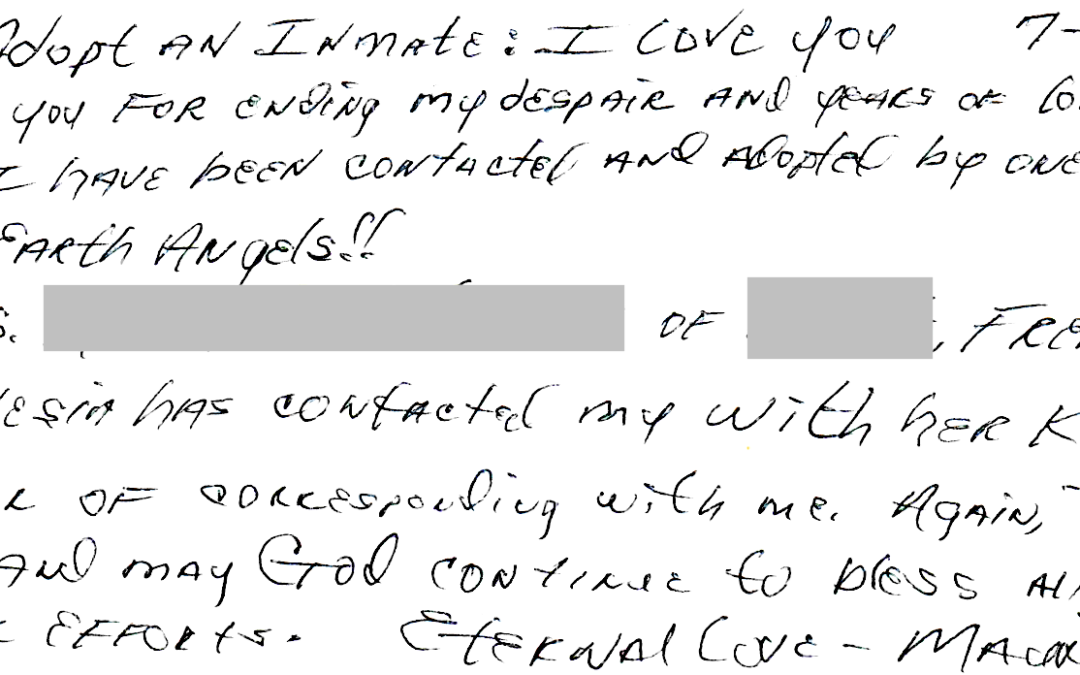
Maurice sent us a handwritten note after being matched with an adopter:
“Adopt an Inmate: I love you. Thank you for ending my despair and years of loneliness. Yes! I have been contacted and adopted by one of your earth angels!”
The joy expressed in that handwritten note was real.
For someone who had spent nearly four decades in prison and believed he had no family remaining, being chosen by another person — even simply as a correspondent — meant that someone outside knew his name. Someone was expecting his letter. Someone had made a deliberate decision to see him as more than his conviction and identification number.
Now Maurice is gone.
Maurice died in federal custody on July 14, 2022. We do not know the circumstances of his death or who, if anyone, was able to claim his remains and mourn him in person.
It is difficult to contemplate how many people die behind prison walls after years or decades separated from family and community. Some are buried in prison cemeteries. In some such cemeteries, graves have historically been marked only with prison numbers rather than names. The sentence ends only because the person’s life has ended, and the institution that confined them becomes the last community to handle their body.
Whatever Maurice’s failures — and like every one of us, he had them — he was more than the worst thing he did and more than the number assigned to him.
He was a veteran. An artist. A craftsman. A brother who mourned the sister he lost. A man who received a letter that interrupted years of loneliness.