


For many years, Eric Burnham has shared his writing, insight, and lived experience with the Adopt an Inmate community. He is also a close friend of our board member Martin Lockett; the two men were incarcerated together many years and have remained close since Martin’s release in 2021.
Like Martin, Eric has used his years inside not simply to change his own life, but to help others change theirs.
While serving a life sentence in the Oregon Department of Corrections, Eric pursued an extraordinary path of education, reflection, service, and personal transformation. He earned his PhD, developed expertise in addiction counseling, trauma, emotional intelligence, and human behavior, and has written numerous posts for our website over the years.
He is the author of three books designed to help people understand themselves, heal from trauma and addiction, and build healthier relationships.
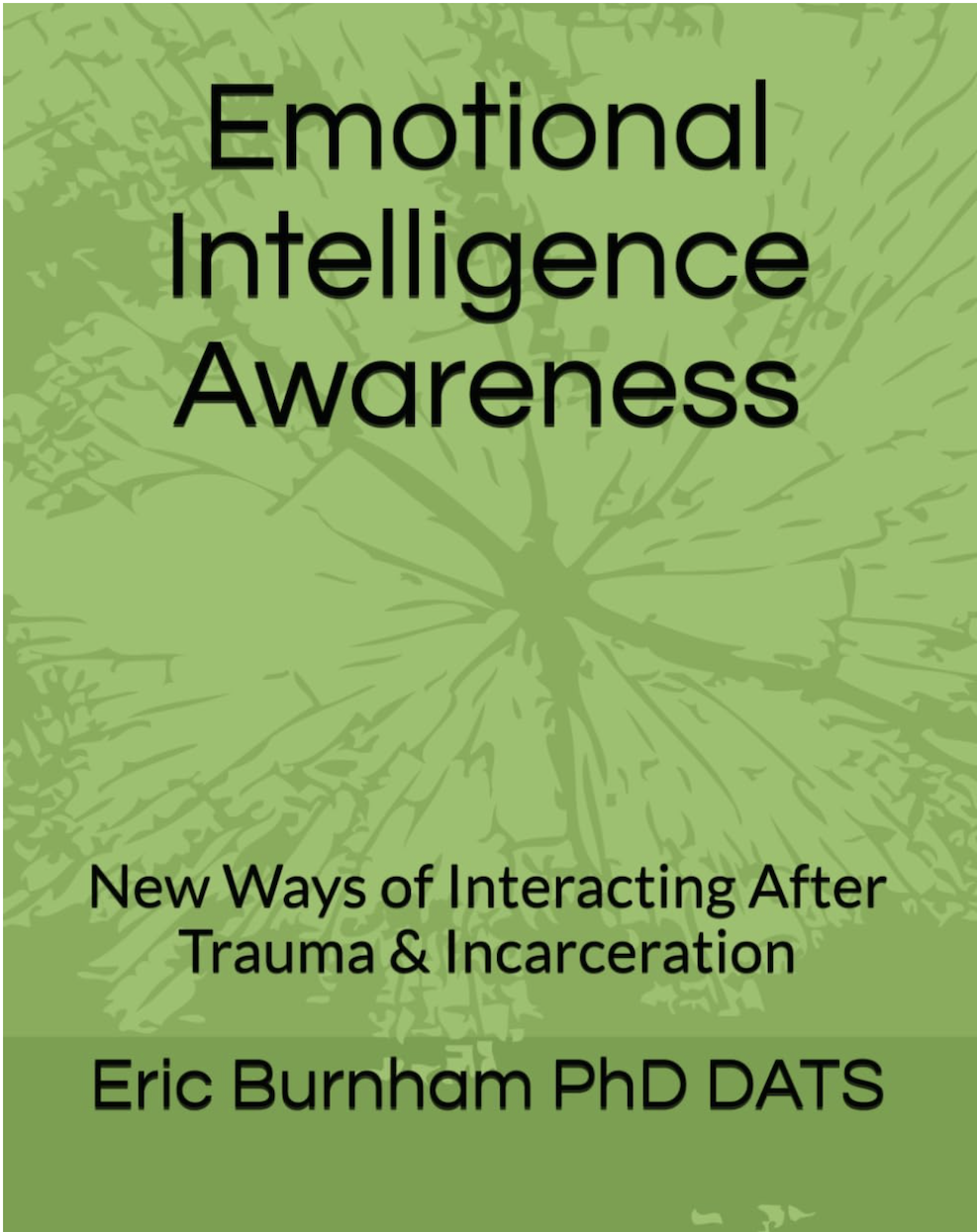 Emotional Intelligence Awareness: New Ways of Interacting After Trauma & Incarceration
Trauma and incarceration can profoundly affect the way a person interprets danger, manages emotions, communicates with others, and responds during conflict. Behaviors that once helped someone survive may later become barriers to connection, stability, and healthy relationships.
Eric helps readers begin recognizing how neurobiology, learned patterns, and automatic reactions influence their emotions and interactions.
The book offers a straightforward structure for exploring emotional regulation, self-awareness, communication, and relationship-building. It also includes references and resources for readers who wish to examine particular subjects more deeply.
Eric’s perspective is especially valuable because it was developed with the experiences of incarcerated and formerly incarcerated people in mind. Rather than approaching them only through theories created at a distance, he brings together academic study, counseling principles, and an intimate understanding of the environments and experiences that shape people’s responses.
The result is a resource that can help readers better understand not only what they do, but why they do it—and how they can begin responding differently.
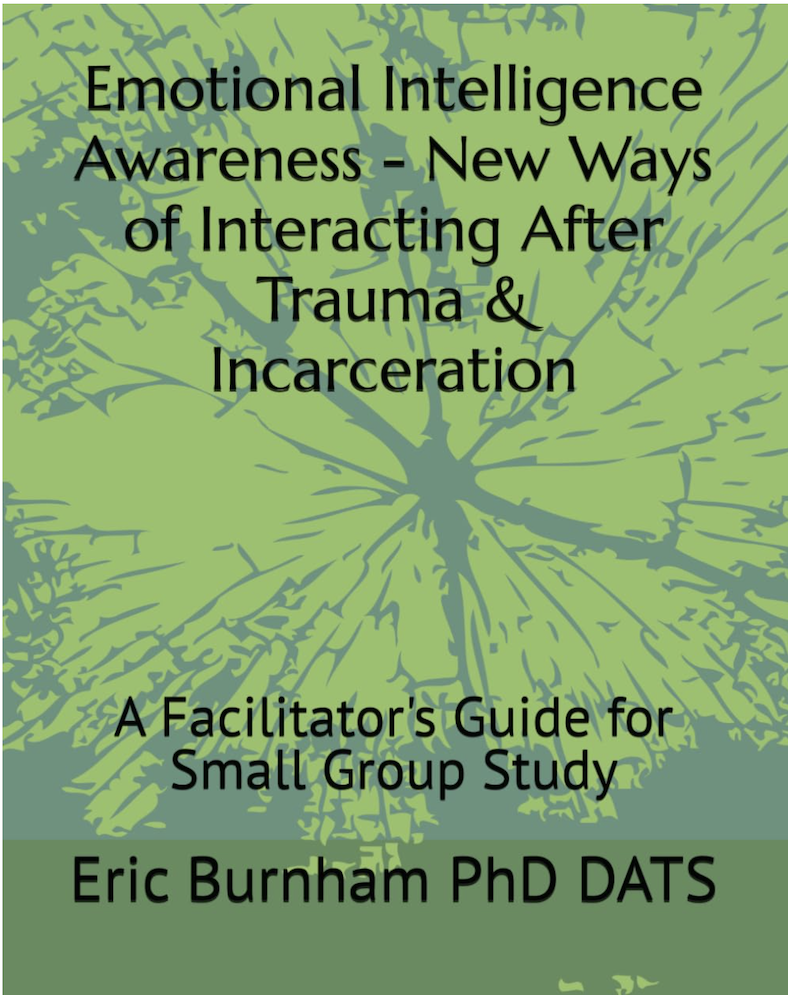
Eric’s follow-up book expands upon the original Emotional Intelligence Awareness by helping facilitators use its lessons in a small-group setting.
The guide includes notes, discussion support, and practical tools intended to help groups operate smoothly and create meaningful opportunities for growth.
Participants are invited to explore how trauma, neurobiology, learned behavior, and automatic emotional reactions affect their daily lives and relationships. With thoughtful facilitation, these conversations can help people practice greater self-awareness, improve emotional regulation, communicate more effectively, and develop healthier ways of navigating conflict.
This companion guide makes Eric’s work especially useful for peer-support programs, faith communities, correctional education programs, reentry organizations, counselors, and other groups working with people affected by trauma or incarceration.
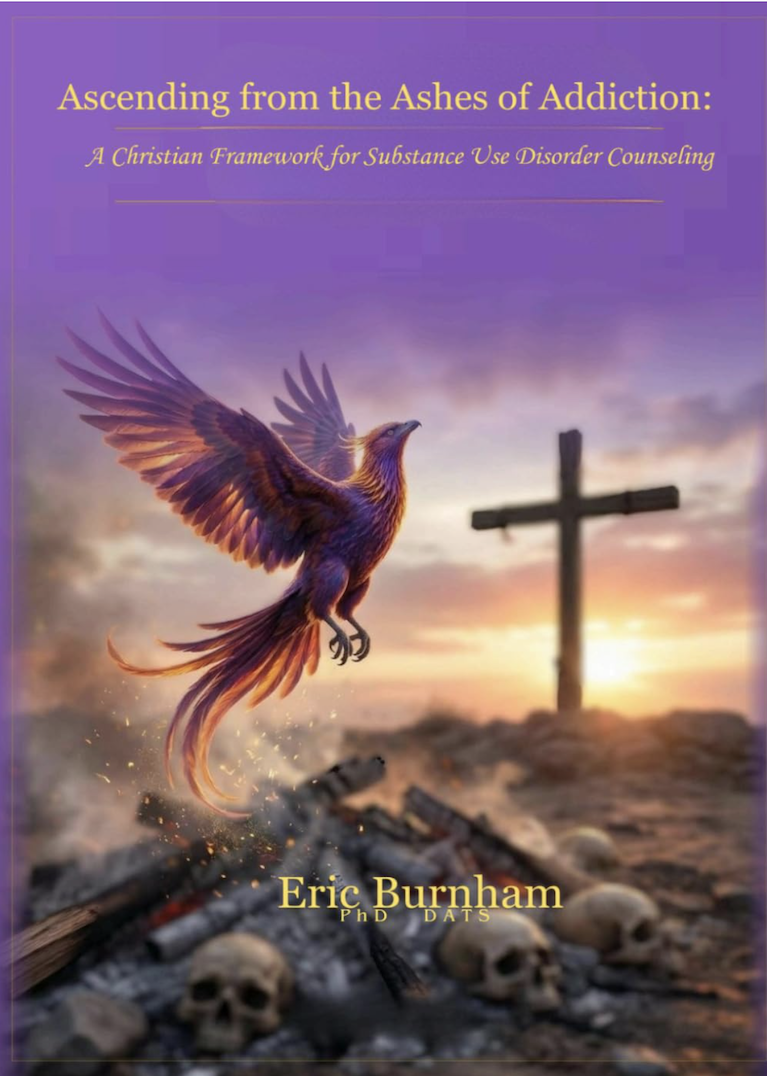 Ascending from the Ashes of Addiction: A Christian Framework for Substance Use DIsorder Counseling
What if addiction is not just a disorder… but a signal?
A signal of something deeper — a fractured identity, a loss of purpose, a separation from the very source of life itself.
In Ascending from the Ashes of Addiction, Eric Burnham presents a groundbreaking framework that integrates modern counseling psychology with timeless biblical truth.
Rather than treating addiction as an isolated behavioral problem, this book reveals it to be a biopsychosocial-spiritual crisis—one that requires healing at every level of the human person: body, mind, relationships, and spirit.
Through a compelling blend of clinical insight and theological depth, Dr. Burnham guides readers toward:
- A restored understanding of identity rooted in the image of God
- Freedom from shame, anxiety, and compulsive self-destructive cycles
- A holistic model of recovery grounded in both science and Scripture
- Lasting transformation through grace, truth, and spiritual formation
This is more than recovery counseling.
This is redemption taking flight.
Education, Accountability, and Transformation
People sometimes speak about rehabilitation as though it were an abstract ideal. Eric’s life and work demonstrate what it can look like in practice.
It looks like taking responsibility.
It looks like years of difficult self-examination.
It looks like pursuing an education under circumstances that make every step more challenging.
It looks like transforming personal experience into tools that may help someone else avoid harm, recover from addiction, understand their trauma, or rebuild a damaged relationship.
It looks like becoming a source of guidance and healing from a place society often assumes has nothing of value to offer.
Eric has a hearing scheduled for September, when the Oregon Board of Parole will consider whether he may someday continue this work outside prison walls. We know that personal transformation does not automatically result in release, even after decades of growth and accomplishment. Parole decisions involve many factors, and the broader political climate can influence how society responds to even the strongest examples of rehabilitation.
Still, we remain hopeful.
Eric’s education, service, writing, and commitment to helping others cannot return the years that have passed or erase the harm that brought him to prison. They do, however, show who he has worked to become.
Whatever happens at his hearing, these books are part of Eric’s contribution—and evidence that a person’s capacity to grow, teach, serve, and create meaning does not end when a prison sentence begins.
We are proud to share his work.


0 Comments