I used to be just like you. Working as hard as hard as I could to stay safe, stay comfortable and stay content every day. Through the endless barrage of society’s flashes and bangs, I was horrified of pain or the experience of any loss. I did everything I could to numb the memories of suffering from my past. After so many years, the fear never lessened, but my desperation grew, and the meaninglessness of it all became more and more apparent. As the hollow feeling overwhelmed me, nothing and no one could stop me from doing what I felt was the only chance I had to feel anything meaningful again. With these actions, I shattered my world and left all I knew and loved forsaken. This is the state in which you will find 99% of the inmate population. Most of us will be despised by society for the rest of our lives. Some of our families have completely abandoned us. But no matter what level of exile we experience, nothing will ever fully purge us from the wretched guilt of our actions. I firmly believe that everyone has an innate longing for compassion and righteousness within them. Through the complexity of our fallen world we are swept away from this desire and become content with empty platitudes; bells and whistles of good intentions and moral posturing. We give a dollar to a homeless woman, a monthly check to a charity organization, we attend church fundraisers, we spend a few hours in a soup kitchen.
These small gestures, collectively, do achieve something. But do you feel the change? Can these token actions really satisfy our own need for what’s right? To make a real change, there must be a level of accountability not many people are comfortable with. There is no accountability from the soup ladle to a stranger’s bowl. There is no accountability from the number on a slip of paper. There is no accountability from the loose change in a plastic cup. We all want to be comfortable, but still position ourselves in a righteous way so at least we feel better about our miserable selves. But what satisfaction may come with making a real, powerful and sustained difference? What feeling of love and joy may come from uplifting someone from this pit they find themselves in? What if, from your earnest intervention, you find a brother or sister, mother or father, son or daughter, or even a grandparent you never knew you wish you had? The ones behind those bars are not just a distraction. We are not charity. We are the members of your community that have seen the bottom. If you reach down to grab one of our hands, prepare to be accountable to the changes you can and will make in someone else’s life, and prepare to discover a new and empowered side of who you are.
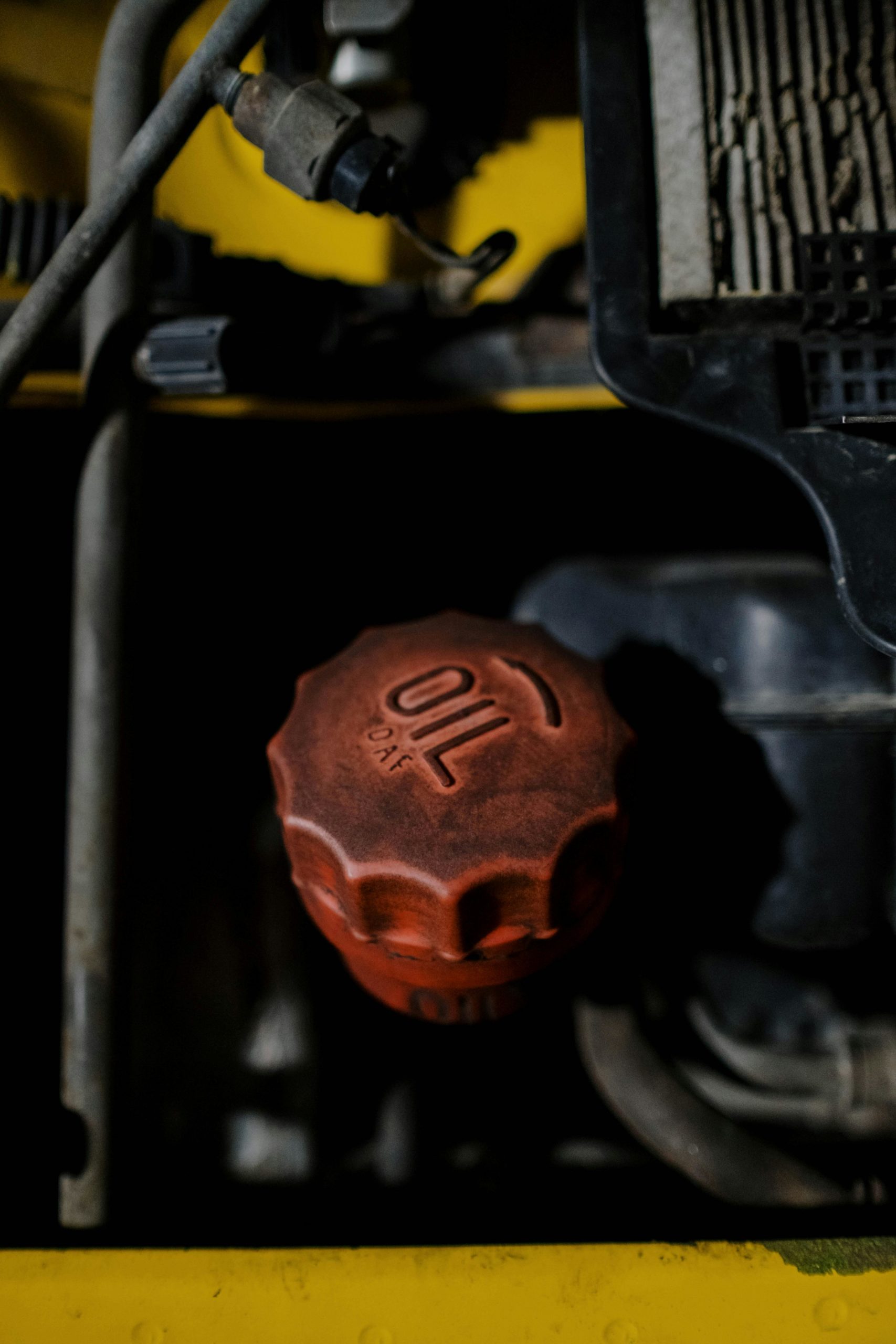
I used to breathe just like you, filling my lungs deeply with the smell of early morning dew and grass as I left the house for work on my favorite mountain bike. I was young, and my first job at a quick lube shop was a short two miles away. I realized quickly I didn’t need coffee or any other stimulant to help sharpen my mind for the simple but fast paced work; the fresh wind on my face and the blood rushing through my legs during the quick commute was more than enough. I enjoyed the work, and found comfort in the unique scent of my employment, breathing in again as I locked my bicycle to utility pipes behind the building. New, used and burnt oil, gasoline, grease, hot rubber and metal filled my lungs as my coworkers started their morning taunts about how I work at an oil change and car maintenance place and didn’t have a license yet. What can I say? The managers liked my attitude.
I don’t breathe as deep as I used to. When the cell doors open at dawn for breakfast, I breathe shallow as I make my way to and from the meal line, doing my best to avoid inmates with the worst hygiene, praying that the milk in my carton isn’t spoiled, hoping that weird smell coming out of my cell’s plumbing hasn’t been magnified by the rainfall during the night before.
Only when something reminds me of my olfactory senses do I make the mistake of bringing it back to my attention. A memory of a family member’s favorite car air freshener, a commercial featuring succulent images of BBQ ribs, a conversation about a salt water beach. Immediately a if to grasp hopelessly at those scents so far away in time in space, I inhale.
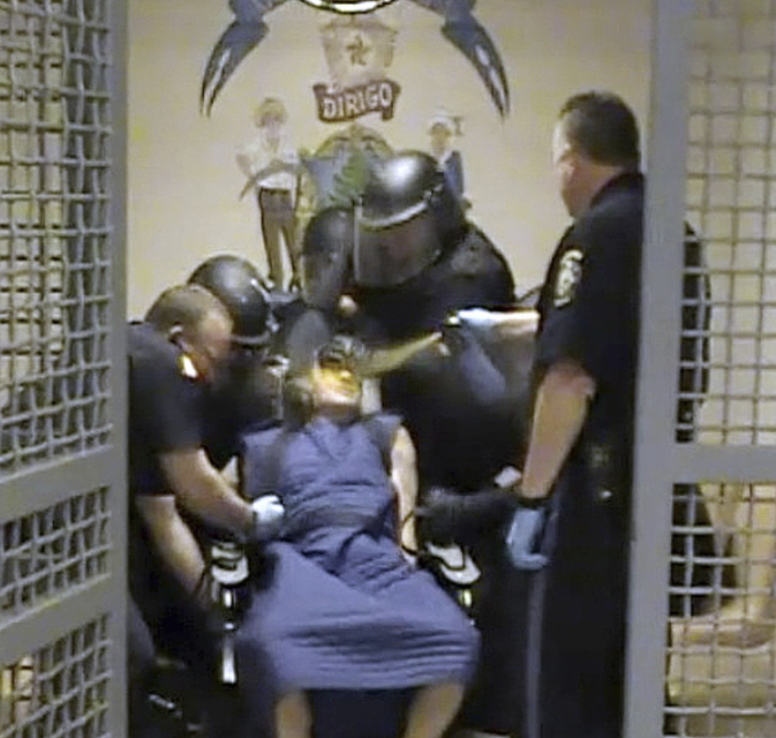
I used to breathe like you, but now I know the smells of every smoked chemical and intoxicant. I can detect the distance and type of administered pepper spray. I know the potency of a body owned by someone who is simply waiting to die, the strength permeating out of an open wound, and the all-consuming and commanding presence of a man in a cage who has completely abandoned his humanity. I make a choice every morning to deny my lungs the tragedy of this place. I pray one day soon, I can enjoy breathing in my life again.
We’re pleased to share a new video we created for the Neighborhood Anarchist Collective’s Solidarity Share Fair, a community event that brings together organizations working to support unhoused and marginalized people in Eugene.
Our presentation, “Where Data Meets Humanity,” blends the hard truths of incarceration statistics with the heart of our mission: reminding the world that every number represents a human being.
🎥 Watch the Video
🌻 Because Suffering Is the Problem, Not the Solution
Every letter is a lifeline. Every person is more than a number. Connection changes everything.
📨 Get Involved
If this presentation moves you, here are ways to take action:
Today is Giving Tuesday, the biggest giving day of the year — and we are asking for your help to keep this work alive.
Every day, Adopt an Inmate hears from people in prison who feel forgotten. A single letter, a volunteer connection, or even one encouraging message can change someone’s safety, their mental health, and their hope for the future. Mail is a lifeline. Human connection is a lifeline.
This work relies on community support — and today, we’re part of GiveButter’s nationwide Giving Tuesday campaign, joining thousands across the country who are choosing generosity, justice, and connection.
Your gift helps us:
Match volunteers with people inside who urgently need support
Process thousands of letters and applications every year
Provide educational opportunities
Publish stories and advocacy that challenge harmful narratives
Build our Drop a Dime on Injustice prison-cell exhibit
Make sure every person in a cell knows someone on the outside cares
Giving Tuesday is our biggest fundraising day of the year, and your donation genuinely keeps this work going.
Whether your gift represents a loved one, someone inside, yourself, or a survivor of injustice — your generosity today helps us reach people who are too often left behind.
Last year, we asked for your help nominating Adopt an Inmate for the Franz Spirit of Giving giveaway — and while we didn’t win, we were honored to be part of a community full of kindness. This year, we have another chance — and with your help, we can bring it home!
This year, Franz Bakery is awarding $3,000 grants to 20 nonprofits, and your nomination could help us win!
We love Franz Bakery not just for their bread, but also for giving back to their community. Their generosity helps small, grassroots organizations like ours do big, meaningful work. (And yes, we still can’t resist their Cherry Breakfast, 1906 Wheat, and Columbia River Sweet Dark breads!)
At Adopt an Inmate, we share that same spirit of honest work and compassion. Our nonprofit was built by and for justice-impacted people — those on the inside, those who advocate for them, and those who’ve come home. Every day, we help connect people who are isolated and forgotten with caring volunteers on the outside, restoring hope and humanity where it’s needed most.
Help us Drop a Dime on Injustice — without spending a penny.
Franz is asking nominators to write a few words (100 or fewer) explaining:
Why you’re nominating Adopt an Inmate
How a $3,000 award would positively impact the community
If you’d like to nominate Adopt an Inmate, here are ideas to help you write your reason:
💛 We’re a grassroots nonprofit, building human connection across prison walls.
📬 We’ve facilitated over 6,000 connections between people in prison and outside volunteers—offering friendship, mentorship, and hope.
📣 Why you believe in second chances or community compassion
🐝 How a $3,000 grant could help us send more mail, build more connections, or grow our “Drop a Dime on Injustice” campaign
💬 Our board includes people of color, and people who are both formerly and currently incarcerated.
✨ If our work moves you, we’d be honored to have your nomination.
Thank you for being part of this work. Whether you’ve supported us by writing a letter, sharing a story, donating, or showing up for our campaigns — you keep this work alive.
Nominators must be legal residents of the states of Washington, Oregon, Idaho, Montana, Wyoming, Utah, Alaska and Butte, Humboldt, Siskiyou, Shasta, Los Angeles and Trinity counties in the state of California and who are 18 years of age or older as of October 13, 2025. LIMIT one (1) Submission per person, per email address
Submission Deadline: 11:59 p.m. PST on Sunday, November 9th
Essay portions of Submissions must not exceed 100 words and must be in English. The Submission must be the original work of the Nominator who entered, created and uploaded the Submission. By entering a Submission, each Nominator guarantees that he or she is the author and copyright holder of the Submission and that all content described in the Submission is truthful and accurate.
As soon as count cleared, I logged in to check my messages. “She’s gone… “ There it was, the message I was expecting and simultaneously hoping wouldn’t come.
She was found on August 25th and taken to the hospital where she was placed on life support. An infection that had gone septic, as well as a stroke, had left her unconscious and barely breathing. Her pacemaker was the only thing that was keeping her alive. Unfortunately, she would never regain consciousness. After waiting to see improvement for almost three days and speaking directly with her attending physician, I then spoke at length with my sister: She and I, together, made the decision to take her off of life support, and my mother passed away 8 minutes later, on August 28th, 2025.
Even now, months later, I sometimes check my messages to see if her thread lights up, as if I might hear from her. I know I won’t, but some part of me struggles mightily to accept that she’s gone. It feels as if some cruel prank has been played, creating a jarring dissonance that keeps me off balance.
My mom and I laughed together often; we had similar senses of humor. I made my mother laugh, and I always gleaned a deep satisfaction out of making her belly laugh. There are still times that I think of a joke, see something on television, or recall a memory that I’d like to share with her, and it takes a minute to remember… She’s gone. That is a tough reality to accept.
She is the only parent I have ever known, and I miss her profoundly. It hits me unexpectedly in waves, and I find myself fíghting back tears more often than I’d like. I knew she was growing old, but I always believed I would be able to have at least one Christmas dinner with her after my release. She loved the Christmas season, and I had looked forward to sharing a season with her.
I have been incarcerated for a very long time − over 24 years now − and of course, I am completely responsible for the fact that I am in prison. That goes without saying, but one of the disheartening realities of long-term incarceration is that, quite automatically, an involuntary, unconscious emotional barrier forms between what happens in the lives of our loved ones out in the free world and our emotional connection to them and the events of their day-to-day. It’s a lot like wearing rubber gloves − the ability to accurately receive and appropriately respond to sensory information is somewhat dulled, making it difficult to feel textures, contours, and temperatures. Incarceration does that to the emotional experience. It takes more time for the intensity and depth of it all to pierce that barrier, but when it does − and it always does − a new problem emerges.
In prison, vulnerability is viewed as weakness, which is fundamentally ludicrous, but much of prison culture resides on the lunatic fringe of unreality. The pervasive nature of toxic masculinity frames weakness as the object of ridicule at best and exploitation at worst − a guy’s gotta keep his vulnerabilities well-camouflaged just to be psychologically safe. In prison, it is not okay to not be okay; therefore, a mask of “You can’t break me” is on everyone’s face, even though no one in here is okay. For one reason or another, all of us have a hurting heart. The only time a guy can breakdown is late at night, under the covers, when the lights are out and no one is watching.
I think it is for this reason that the above-mentioned barrier exists in the first place. It’s a prophylactic, a protective layer between the harsh reality of prison life and the tender feelings of our humanity that makes it easier to shroud our pain in a smile.
I don’t want to smile today. I miss my mom, and it hurts knowing I will never hug her again. That will never change. Even though I know she was proud of me for the man I became despite the awful mistakes of my youth, I remain deeply ashamed of the fact that I could not be there for her during her final years when she needed me the most. My drunken violence took the life of another man, negatively impacted the community, and sent me to prison. But it hurt my mom, too, and kept me out of the immediate experiences of her life for the last two-and-a-half decades. And it kept her out of mine.
How did I not fail her as a son? I don’t think she thought that, but I’m not sure that I don’t. That question may haunt me for the remainder of my life.
Today, my mother is 8.37 lbs. of ash in a container, waiting for me to come home. That is such a perplexing notion to me − my last moments with my mother will be as I scatter her over her final destination. It really boggles the mind.
As an extrovert, I very much enjoy the connective experience of remembering past moments with another person who was present in those moments and shares the possession of those memories as well. There are so many moments I shared with my mom that exist now only in my mind, and there is a stinging emptiness knowing that no one else will ever again remember those moments with me.
I take some comfort in the fact my mom knew I loved her very much, and I know she loved me. Perhaps that is all anyone can ask for, but I’m not sure I’ll ever be okay with the fact that … She’s gone.
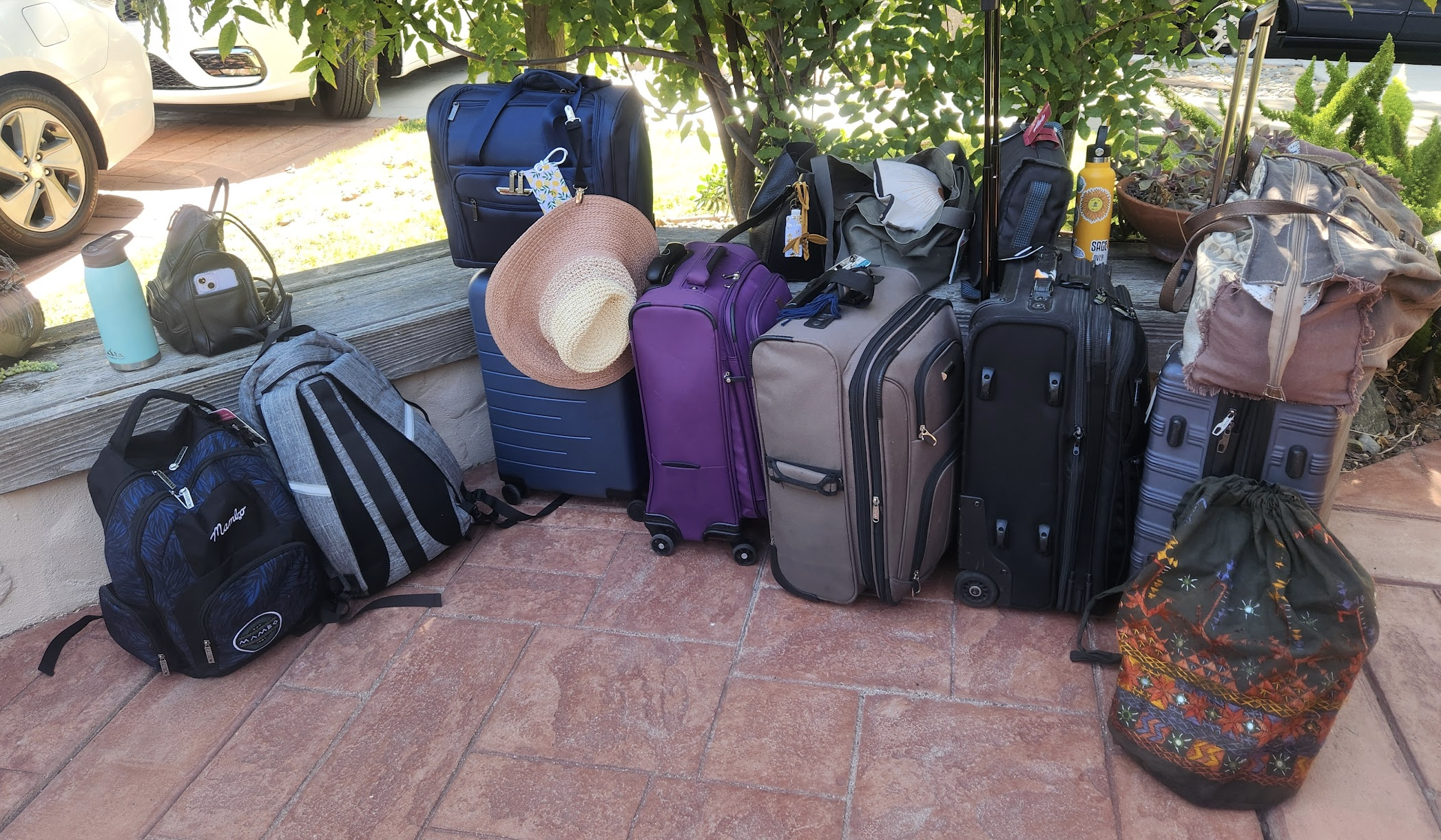
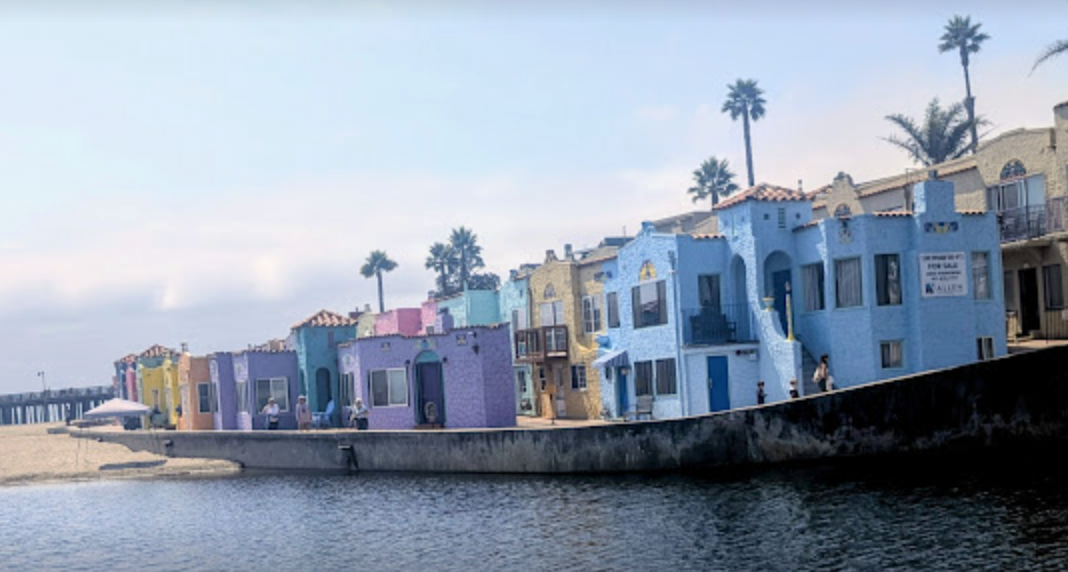
After a little getaway — my annual girls weekend (any guesses [scroll down to comment] where we were?) and a visit with my daughter and grandloves — I’m back at my desk, settling into work mode and catching up on a mountain of emails.
There’s some really good news to share soon about:
A new grant award — Shout out to Eric on our Fundraising Committee for his efforts on this one
Exciting updates to our volunteer program — we’ll share soon, but it’s all good news
A Kurtis & Joe update
Hate Mail series continues —We’ll be sharing more states that have moved to mail scanning. If your letters or emails have been blocked, stamped RTS, or mysteriously vanished,send us your story.
I’m saving the details until I’m fully caught up and back in the groove.
Thanks for buzzing by, and for all the ways you keep our hive humming. 🧡
With gratitude,
—Melissa 🐝
Quote of the Week: 🌅 “Almost everything will work again if you unplug it for a few minutes — including you.”
— Anne Lamott
💌 Donate Stamps – SOS: Stamp out Silence!
✍️ Take the Quiz – How much do you know about U.S. prisons?
❤️ Give – Help us keep breathing together
🗣️Add Your Voice – Submit your responses to our Good, Bad, Change poll ⏩Forward This Email – Someone needs to see this
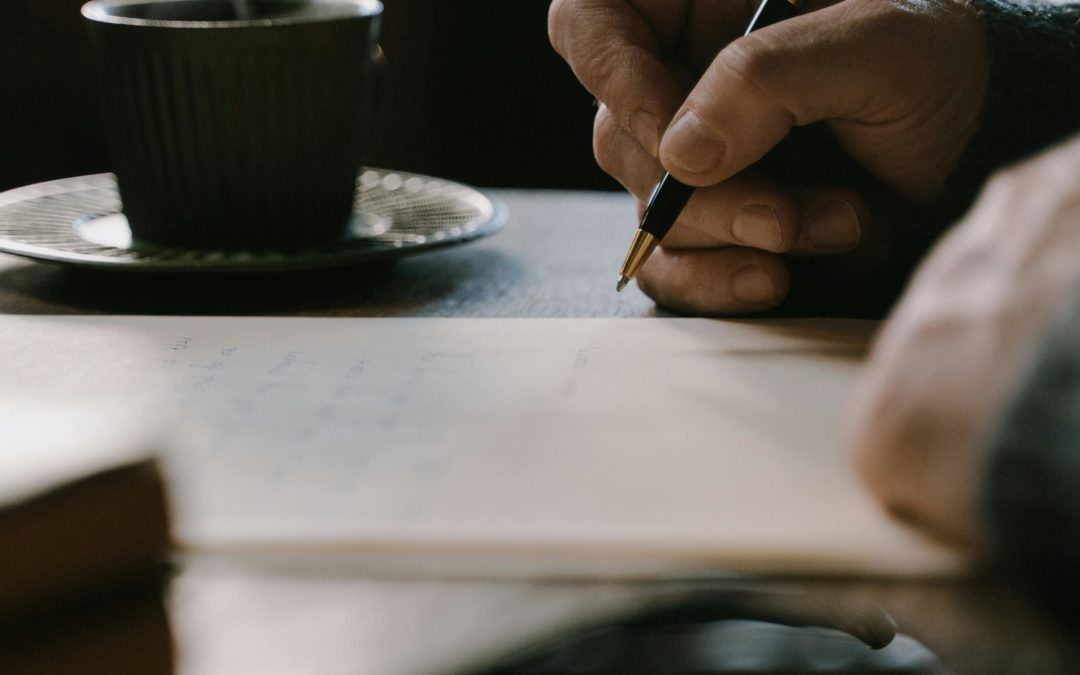
Today is World Letter Writing Day, and in our world, it’s more than stationery and stamps. For people in prison, a letter is proof that they exist outside the walls — that someone remembers, cares, and listens.
A single letter can brighten a day, calm a fear, or carry someone through a week. It can be the difference between despair and hope.
So today, we invite you to celebrate with us: ✍️ Write a letter to your adoptee, or someone you love. 💌 Share your letter-writing stories in the comments. 📬 If you’re new to this, check out ourAdopting FAQ
Because letters aren’t just words — they’re lifelines.
“Fill your paper with the breathings of your heart.” — William Wordsworth
This week looked a little different – no new blog posts, and with my upcoming travel (9/11–9/24), posts will continue to be light. Always know that even when we’re not publishing, we’re working hard behind the scenes and preparing what’s next.
Blueprint Collaboration
We’re excited to announce our partnership with Blueprint,a UC Berkeley student-run tech team helping nonprofits. They’re building a tool to automate key parts of our adopter matching process, which will free up more time for us to do what matters most: supporting people in prison. (You can also learn more about their amazing work on their main page).
Hate Mail Series Continues
We’ve been receiving powerful emails from you, adopters and allies, sharing your own stories of mail rejections. First up: a long-time adopter in New Zealand who has faced repeated censorship of her letters (both snail mail and e-messaging) to her adoptee in Ohio. Her story will be the next installment in our Hate Mail series.
We’d love to hear from more of you. If your letters or emails have been blocked, stamped RTS, or mysteriously vanished, send us your story. These experiences are too common to ignore, and together, we can shine a light on them.
Volunteer Spotlight
I’m grateful to share that a new volunteer,Libby in Oregon, has joined us to help with blog posts. Her first project is an animated post for our Letters From Prison series. featuring a touching letter from Monique in Louisiana, which will be published shortly. I’m so thankful for the extra hands, and for Emily who connected us. Thank you, both!
On the Horizon: Bee-Sides – The Dust Bowl
In the coming weeks, I’ll be sharing a post about the Dust Bowl, a disaster in Oklahoma that most of us have heard of, but few of us truly understand. Some recent realizations have sent me down a rabbit hole about government manipulation and the cruel rhythm of forgetting. Stay tuned.
On the Homefront
We finally received official word that our homeowner’s insurance claim (for water damage in our kitchen) is denied. For the foreseeable future, we’ll continue making do with a microwave and an egg cooker. In the spirit of resilience, we’re turning to the creativity of people inside who have long been resourceful with microwaves, hot pots, and commissary items.
A friend in an Arizona prison (whom I’ll be visiting during my travels in September) told me they make crispy(!) chimichangas using a microwave popcorn bag. I can’t wait to try it. I’d love to hear your own prison cooking “hacks” and recipes. Drop suggestions of your own, or from your loved one inside, and we’ll feature our success stories, and failures (I’ve already had one pasta disaster).
Kurtis & Joe Update
When I spoke with Kurtis yesterday, he shared some incredible news: Joe has now earned over 230 certificates of completion from programs available on his tablet, and just this week he started his very first job inside. I’ll be sharing more of their story in the weeks ahead.
Not all the news is hopeful, though. Across Illinois prisons, daily lockdowns continue, and drug-related deaths are skyrocketing even though visitation has been shut down for months on end. Kurtis told me he personally witnessed three deaths in a single week. (Spoiler: it isn’t families bringing drugs in, it’s the guards, stupid.)
Thank you for sticking with us during this light posting season. Your letters, stories, and support keep this work alive. Even when the mail is stamped “undeliverable,” our connections find a way through. We can’t wait to catch up with you in a few weeks.
As always, thanks for reading, sharing, and supporting.
With gratitude,
— Melissa 🐝
Quote of the Week:
“Few things in every-day experience are harder than just to keep pegging away at a task which seems doomed to failure, yet which we cannot in conscience abandon.”
— Caroline Henderson, Letters from the Dust Bowl
Donate Stamps – SOS: Stamp out Silence! Take the Quiz – How much do you know about U.S. prisons? Give – Help us keep breathing together Add Your Voice – Submit your responses to our Good, Bad, Change poll
✍️ Letters From Prison is an ongoing series based on real messages we receive from inside.
Have one to share? See link below.
In this installment of Letters From Prison: Kurtis & Joe, the men’s hope for a transfer to better conditions takes a painful turn. What follows is a story of heartbreak, faith, and the strength of enduring friendship.

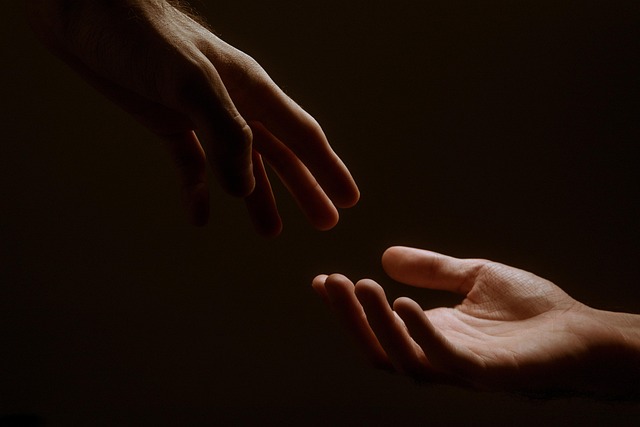
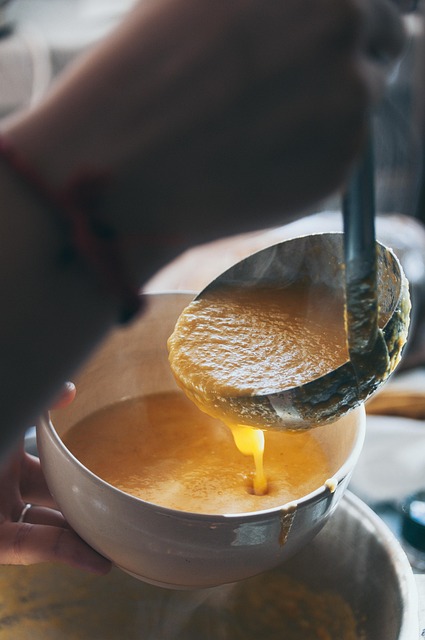 These small gestures, collectively, do achieve something. But do you feel the change? Can these token actions really satisfy our own need for what’s right? To make a real change, there must be a level of accountability not many people are comfortable with. There is no accountability from the soup ladle to a stranger’s bowl. There is no accountability from the number on a slip of paper. There is no accountability from the loose change in a plastic cup. We all want to be comfortable, but still position ourselves in a righteous way so at least we feel better about our miserable selves. But what satisfaction may come with making a real, powerful and sustained difference? What feeling of love and joy may come from uplifting someone from this pit they find themselves in? What if, from your earnest intervention, you find a brother or sister, mother or father, son or daughter, or even a grandparent you never knew you wish you had? The ones behind those bars are not just a distraction. We are not charity. We are the members of your community that have seen the bottom. If you reach down to grab one of our hands, prepare to be accountable to the changes you can and will make in someone else’s life, and prepare to discover a new and empowered side of who you are.







 Blueprint Collaboration
 Hate Mail Series Continues
 We’d love to hear from more of you. If your letters or emails have been blocked, stamped RTS, or mysteriously vanished,
  Volunteer Spotlight
 On the Horizon: Bee-Sides – The Dust Bowl
 On the Homefront
 Kurtis & Joe Update