by Martin Lockett | Jun 11, 2019 | Inmate Contributors
This past week came with one of the biggest shocks of my fifteen years of incarceration. My unit (‘incentive housing’ with extra privileges for those of us who have exhibited at least 18 months of clear conduct) was inspected by the administration. We had been duly warned not to have any extra clothing or bedding when they come lest we be removed to another unit immediately. Such a move would force us to give up all of our luxuries such as all-day phone access, microwaves, access to hot water to heat up canteen food items, soda vending machine, etc. I’ve completed all 15 of my years of incarceration without receiving a single write-up. In other words, I know how to follow the rules, so when they warned us, I was already in compliance.
They came last Thursday, as promised, and began tossing extra clothing from people’s cells. I knew all those in violation would be removed from the unit. I’m thinking, “Why would they still have extra clothing?! They knew they were coming!” Then they got to my cell and tossed out a sheet, “Oh no,” I thought. “They got my cellie’s extra sheet at the base of his bunk” (he’s on the bottom). At that point I was worried I would lose my cellie and be forced to play the “cellie lottery” where we have no idea who they’re going to put in our cells. After all the dust settled, they moved 40 guys that very night!
The next day we all knew it still wasn’t over because we’d heard they were coming to move 11-20 more! I thought this was strange because why would there be a question as to how many would be moving? If you’re in violation, you’re in violation.
I came back from work at 10:00 am and asked the officer to pop my door. He said, with a list in his hand, “Are you A or B bunk?” I started worrying about my cellie, but I answered, “I’m A bunk.” He delivered the devastating blow: “You’re moving!” Shocked, incredulous, and staggered, I responded, “What? How? I didn’t even do anything. They took nothing from me.” He gave the typical contrived response most do in that situation: “I’m just doing what I’m instructed per the captain. I need you to start packing.”
Deflated and dejected, I packed and headed to another unit for the first time in the five years I’ve been here. No one cared to hear my claim of being innocent of this infraction. The administration needed ‘examples’ to send their message that they would no longer tolerate rule breakers, so anyone would do. All attempts made by my now former cellie to set the record straight by taking ownership for the confiscated sheet were met with apathy. A meeting was held by the administration, and a 90-day ban for returning to the unit was implemented for all 56 of us who were banished – guilty or not.
Needless to say, it’s been a huge adjustment for me. Everything from when I can use the phone, get hot water to cook, to even when I can get a shower, has changed. Through this ordeal I have felt wronged, indignant, and helpless. But after the initial shock and adjustment took hold, my true character, mettle, and resiliency kicked in.
In considering what has happened to me and putting it into its proper perspective, I accept it as something I have no control over. In doing that, I choose to not allow it to consume my thoughts or drain my energy. Instead, I consider it an opportunity to test my ability to adapt to and handle unexpected adversity well and appropriately. How often do we blow up, make rash decisions, and create mountains out of mole hills when sudden hardships afflict us? Then we reflect on it later and inevitably regret reacting the way we did. Too late.
Another aspect I have considered is that this is preparing me for my eventual release. Things will happen in life that I have no control over, but how will I cope when they do? If I can’t handle being moved to an uncomfortable unit in prison, I am in for a world of hurt when I get out because so much more can and will happen that will upset me. This is a mini-test, and after a week now to reflect, ponder, and respond, I feel I would earn a solid B from my instructor.
The moral of this short illustration is, we always have a choice in how we respond to life’s unexpected challenges. If we only focus only on the undesirable aspects in front of us, we miss the hidden opportunities to use them for growth in character, and resiliency that can only help us better face other life challenges that will surely come. The goal is, therefore, not to react to negative life challenges but to respond. Responding requires a change in how we view these circumstances in the first place, seeing them as opportunities rather than obstacles.
by Rick Fisk | Jun 6, 2019 | From the Staff
In Finland, they’ve reduced homelessness by 35% because they attacked the problem radically. They tried a little bit of mercy. From the Daily Mall:
“We decided to make the housing unconditional,” says Kaakinen. “To say, look, you don’t need to solve your problems before you get a home. Instead, a home should be the secure foundation that makes it easier to solve your problems.”
With state, municipal and NGO backing, flats were bought, new blocks built and old shelters converted into permanent, comfortable homes – among them the Rukkila homeless hostel in the Helsinki suburb of Malminkartano where Ainesmaa now lives.
They didn’t create a giveaway program. Read the article to find out how they improved the problem. Meanwhile, in LA where they have thrown more money at the problem without considering new ideas, homelessness has risen by 16%.
“The residents are seeing more encampments, more people sleeping on the sidewalks in dirty, unhealthy and heartbreaking conditions,” she said. “They are frustrated by this problem. We need to give people answers.”
Lynn pointed to two vulnerable groups as proof that resources work. Even though nearly 3,000 more veterans were reported homeless last year, there was no noticeable change in the number of homeless veterans on the street. Families experiencing homelessness grew by 8% with nearly 8,000 families being provided homes.
One of the largest increases, however, was among people 18 to 24 years old. Lynn said a 24% jump was partly the result of a change in the methodology of the count. But still, he said, “there was a significant increase, many more unsheltered. We were able to house more youth this year than last year, but this is an overflow population.”
Maybe Los Angeles and other cities should try what is being done in Helsinki, mercy.

by Melissa Bee | May 27, 2019 | From the Staff, News
In a bold move on May 22, 2019, Washington state Governor Jay Inslee expanded an earlier executive order imposing provisions on state agencies, which immigration advocates argued didn’t go far enough. The added provisions make it illegal under state law to comply with federal detainer requests. “Our state agencies are not immigration enforcement agencies,” said Inslee.
This legislation is a declaration that all people are welcome, and that families will be protected from the horrors inherent to the deportation tactics employed by the current administration. As stated on the Governor’s website “I am committed to making sure that every family in Washington state, no matter how they got here, is treated fairly. I want to be clear that we will redouble our efforts to ensure that state agencies are not assisting discriminatory enforcement efforts by federal immigration officials.”
Sadly, for many confined within the Washington state Department of Corrections, the effective date of this sanctuary will come too late.
One such example is a young man named Eleazar Cabrera, who currently has an ICE detainer. Mr. Cabrera (WA DOC #361274) is scheduled for release from Monroe Correctional Complex on May 30, 2019 — a date calculated not based on the expiration of his sentence, but rather, on his good behavior.
His release date comes so soon after the executive order was signed that DOC staff have told him he will still be turned over to INS.
Now 29, he was brought to the U.S. by his mother when he was six, after his father, a police officer in Mexico, was killed in the line of duty. He and his mother were given visas to come to the U.S. due to the threat of violence. His mother (a home-owner in Washington), and one child are his only family — he has no family in Mexico.
To help Mr. Cabrera and others in the same situation, supporters can call and/or email Governor Jay Inslee, Attorney General Bob Ferguson, and the Secretary of WA DOC, Stephen Sinclair with the following message:
Please allow Eleazar Cabrera to waive a portion of his good conduct time, thereby allowing him to remain in prison until after the effective date of the sanctuary state legislation, avoiding automatic deportation to a country he does not know, so that he may safely return to his family.
Governor Jay Inslee
Phone: (360) 902-4111
TTY/TDD call 711 or 1 (800) 833-6388
Online contact form
Atty General Bob Ferguson
Phone: (360) 753-6200
Online contact form
Stephen Sinclair, Secretary
Washington State Department of Corrections
stephen.sinclair@doc.wa.gov
(360) 725-8810
by Martin Lockett | May 12, 2019 | Inmate Contributors
What is the most effective approach to dealing with crime and punishment? Should the criminal justice system primarily be used to punish those who violate the law by sending them to prison for lengthy terms? Or should it rather serve as a mechanism for rehabilitation? This dichotomous question is a polarizing one that aligns people on opposite sides of this argument and has shaped our penal system since its inception.
When men and women come to prison, we invariably cost hard-working, law-abiding taxpayers across this country billions of dollars annually to feed, clothe, and house us. Our water, heat, medical and dental care are all paid for on the backs of hard-working Americans from all walks of life. Recidivism rates show that most of us who are eventually released will re-offend and return to these overcrowded prisons within three to five years, continuously costing taxpayers many more billions of dollars for our lengthy terms of incarceration. This bleak trend will, unfortunately, remain intact if prisons continue to be used to primarily warehouse inmates.
Statistics show the higher the education one attains while incarcerated, the greater the likelihood of his or her success in the community, leading to a lesser likelihood that he or she will return to prison. Subsequently, the longer he or she thrives in a productive role in society, the more he or she will feel like a member of a community and not a criminal outcast. Earning a college degree or becoming certified in a trade while in prison is the key to this radical transformation and reintegration into our communities.
Having noted these promising outcomes, I know it is also paramount that the individual who commits a violent felony pays for his or her crime by serving time in prison. The sensible thing to do is to ensure that prison doesn’t continue to have a revolving door that perpetually costs taxpayers and state budgets billions of dollars, but rather to educate prisoners so they can begin to contribute to society. Offer college and apprenticeship programs to prepare them for the ever-evolving technological and service-based occupations that comprise the 21st century economy. When people have more at stake to lose, they tend to think twice about risking it by doing something illegal.
Understandably, many would vociferously rebut this assertion by arguing, “So, we’re just supposed to reward criminals with a free college education?” My answer would be pragmatically blunt: “No, you don’t have to offer any education of substance at all, but either way you’re going to spend those same tax dollars — either on lengthy incarcerations for re-offenders or on education that would enable them to contribute to society in an economically and socially meaningful way.” Which scenario benefits society more?
I am dismayed that this country that offers abundant opportunity on one hand can simultaneously incarcerate more people per capita than any other nation on earth! We’ve become a state and nation that would rather warehouse human lives in the name of retribution than rehabilitate people for the greater good of our collective society. Ironically, every state in the Union includes the word “corrections” in reference to its prison system. The (fill-in-the-state) Department of Corrections sounds as though it is primarily designed to correct or rehabilitate its occupants — but how? This is paradoxical to say the very least.
Personally, I’ve been extremely blessed to have had the financial means and support from loved ones that have enabled me to attain a college education. When I started this journey in 2004, I’d made the decision to make the most of my time by getting a college education and becoming a substance abuse counselor. I didn’t know how this was going to happen, but I was nonetheless determined.
When I arrived at the Eastern Oregon Correctional Institution in 2005, I began taking college courses one at a time for $25. After my father passed away, I used my portion of his life insurance policy to fund my education via correspondence. I began independently taking courses from other universities, earning a Certificate in Human Services from Louisiana State University, AA from Indiana University, BS in Sociology from Colorado State University, and an MS in Psychology from California Coast University. I was certified as a recovery mentor last year and recently as a substance abuse counselor. Good for me, but what about everyone else? It disheartens me when I think of the lack of opportunity for countless others in Oregon prisons because they have been institutionalized with no real opportunities to rehabilitate themselves and gain something tangible to show for it. Sadly, this deplorable trend will only continue if retribution over rehabilitation remains our state’s and nation’s motive for incarceration.
by Martin Lockett | May 9, 2019 | Inmate Contributors
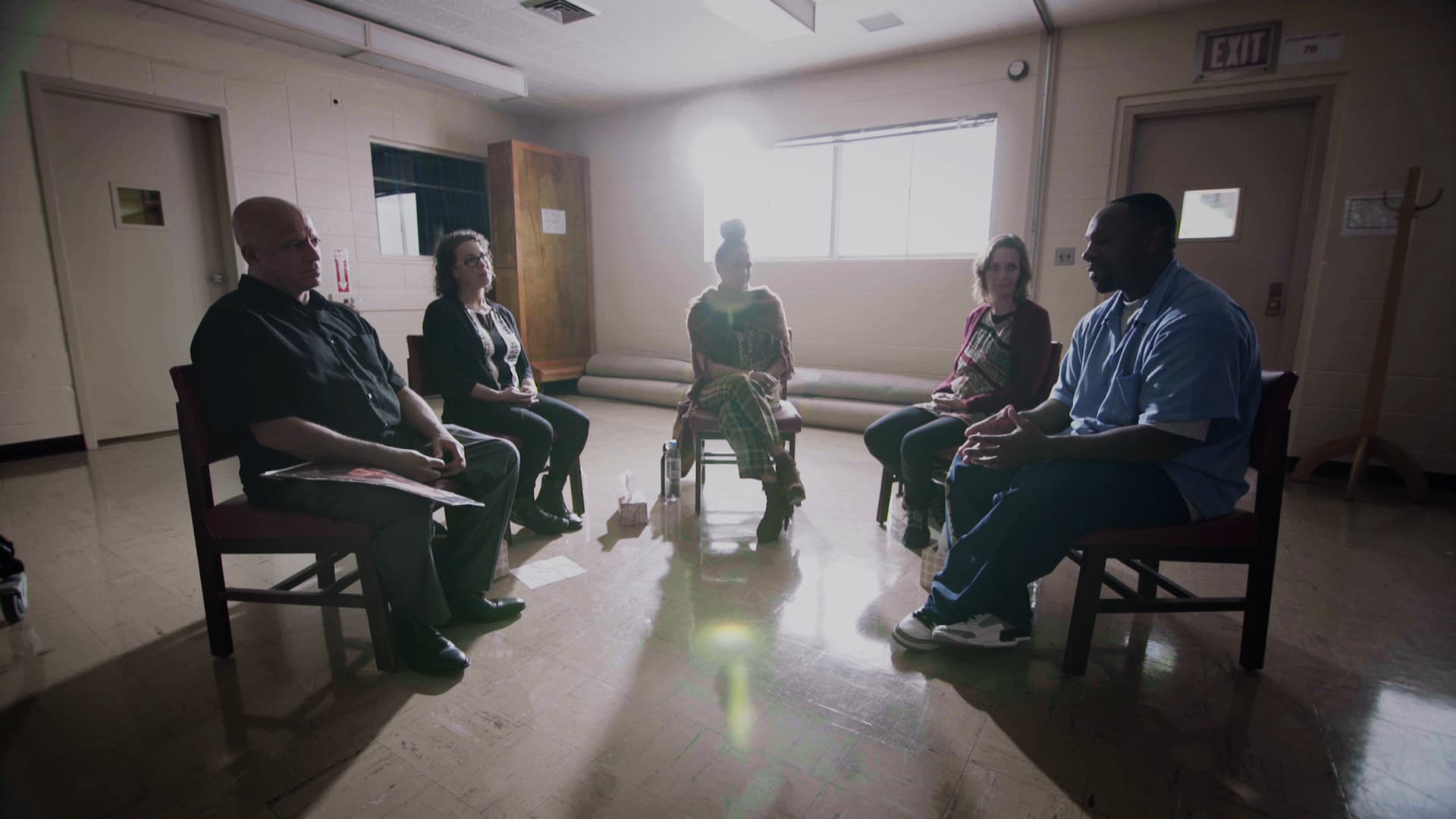
For a peek inside the Restorative Justice process, see CNN’s original series The Redemption Project with Van Jones.
For the first twelve years of my incarceration I was convinced I had done everything I could to atone for my crime — then I was proven wrong. Although attaining a BS in Sociology and an MS in Psychology while becoming a certified recovery mentor have been milestones, they did not — and could not — fully rehabilitate me. My education could not provide me with the empathy-inducing face-to-face encounters with survivors that are necessary for complete rehabilitation. This transformative catalyst could only come about through the impaired driver victim impact panels.
By pouring all my efforts into a college education (privately funded) that would allow me to counsel adolescents struggling with substance addictions, I felt a sense of purpose and direction. During my studies, I came to understand the underlying causes of my addiction. I gained a level of insight that helped me grasp the complex biopsychosociospiritual model of addiction and criminality. I had convinced myself that because I no longer drank and helped men confront their own pathologies, while encouraging them to strive for better in their own lives, I had exemplified recovery and rehabilitation. What I have accomplished during my incarceration has been integral to my rehabilitation; however, it is not the most transformative component of this comprehensive process.
Three years ago I was given the opportunity to participate in an impaired driver victim impact panel. I eagerly agreed, knowing this would enable me to help others by sharing my story. Little did I know it would be the compelling stories I’d hear from those on the other side of crime that would leave a lasting impact on me!
During our first panel there were approximately 50 inmates in attendance and two volunteers from the community who had been impacted by drunken drivers: one had lost her 28-year-old son, the other was a survivor of a DUII collision. I intently listened to these two courageous women speak about the devastating losses they had endured as a result of these crimes. I found myself feeling ashamed to know I had also left indelible scars on the survivors of my victims, yet I felt encouraged to hear these women also speak of their ability to forgive the people who had taken so much from them. One said, “I can hate the man who has done this to me, but who does that really hurt? So, instead, I choose to forgive and live.” It was silent in the room but for the intermittent sniveling from men who futilely tried to gather their emotions. Since my sentencing, this was the first time I had met with people who are living with the ever-present impact of losing someone to a drunken driving collision. But there was another side.
Because I was recruited to participate in this inaugural panel, I was also asked to tell my story. I prepared intensely because I prided myself on being composed and fluid when I spoke. Thankfully, I was able to deliver, but it was what came afterward that surprised me. The two women thanked me for sharing; they told me they needed more of us to do the same when we get out so people can gain a different perspective from the offenders. I cannot adequately express how this made me feel. To know that the victims of crime would now be eager to work alongside those who, in many ways, represent the criminals who have victimized them was nothing short of remarkable. It was then that I was able to truly appreciate the necessity of coming full circle in my rehabilitative efforts by collaborating with victims and working toward a common goal: preventing further crime. Three years and over 20 volunteers later, the shared healing continues.
During my 15 years of incarceration, I have seen many programs that inmates are able to access (GED, cognitive restructuring, drug and alcohol treatment, religious services, anger management, etc.). All of these serve a valuable purpose in the complex process of helping inmates come to terms with their underlying issues that have manifested in deviant, criminal behavior. However, it has become painfully obvious that this effort would not be complete without exposing inmates to the unique, therapeutic, enlightening and empathy-producing experience that a restorative justice program offers. There is no substitute for hearing, feeling, and witnessing the severe impact our actions have had on victims, families, friends, and communities. As grateful as I am for having had the rare opportunity to earn a graduate degree, the empathy and insight I have gained from listening to those who are on the other side of crime has done more for my rehabilitation than I could have ever imagined. It is, therefore, imperative that any efforts to fully rehabilitate the inmate population include programs of restorative justice.
by Melissa Bee | Mar 29, 2019 | Letters From Angels
Cassandra tells her story below.
Please share with anyone you know who has a loved one in TDCJ.
♥ Send some love Cassandra’s way in the comments. ♥
GIVE YOURSELF THE CHANCE TO SAY GOODBYE. [My experience happened in the Texas state prison system.]
ASK YOUR LOVED ONE TO SUBMIT AN i60 TO GO TO MEDICAL AND SIGN A HIPAA PAPER. Have them put your name on it and sign it ASAP. The prison will think you are silly, and that the inmate is healthy and doesn’t need to sign one BUT THEY DO! And make sure it is signed and updated every 6 months!


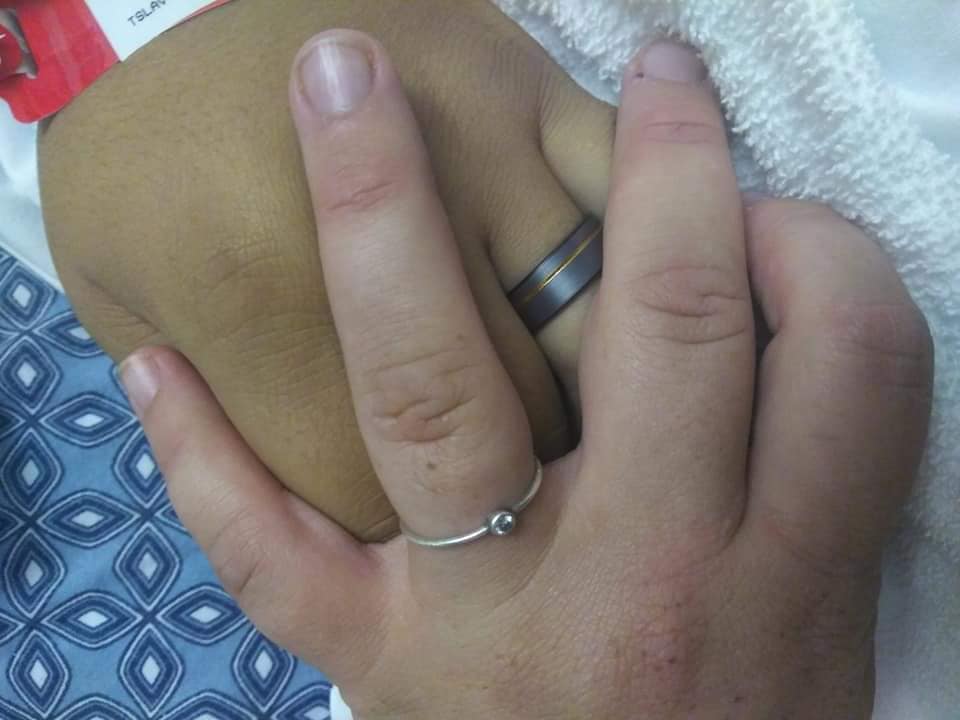
My husband Christopher went into the prison system 10/05. We had not even had our first phone call yet and were communicating through letters. On 11/01 the TDCJ website said he was at an off-site medical facility. I freaked out and called the prison. They told me because he didn’t sign a HIPAA form they couldn’t tell me a single thing. We were married for 6 years, and I even had a strong Power Of Attorney written out and signed before he went to prison. It did not matter, they could not tell me anything. I called every single day, crying, thinking my husband got jumped. The warden and office began to get irritated with my calls and would tell me “Ma’am, quit calling the office. He is O.K. and nothing is wrong. If it was life threatening we would call you. Quit calling the office.”
On 11/06 I made my daily call and the office told me that the warden was going to the hospital to get him to sign the HIPAA paper in person. I asked, “Thats odd, and doesn’t sound like his job duty, why is the warden going himself?” her response was, “He likes to pay his respects.” That’s a weird response.
Four hours later while I was in the middle of making my husband a get well soon card the warden called me. The first words out of his mouth were, “Your husband is dying fast from cancer and you need to fly back to Texas soon.” The messed up part of all of this is HE KNEW MY HUSBAND HAD A DEADLY CANCER SINCE 10/27! He was getting his new inmate blood work done, they saw his blood looked weird, and sent him to the hospital where he was diagnosed with Acute Myeloid Leukemia. They should had given him a HIPAA paper to sign the day he was diagnosed with cancer. The doctors begged the warden to call family because his cancer was deadly and he may not survive. THE WARDEN ONLY CALLED ME WHEN HE NEEDED A DNR SIGNED AND DIDNT WANT TO BE THE ONE TO SIGN IT.
The next day I flew in and he had emergency brain surgery. He looked so swollen. He was still in a coma, My kids didn’t get to say goodbye. He didn’t get to at least look at me one last time. The doctors said if I would have come a few days earlier he would have been able to see my face for at least 15 seconds.
I spent the next two days with my husband until I took him off life support, while I was watched by two guards, one who was laughing about the previous night’s basketball game — laughing and joking while my husband was struggling to breath.
Have your loved ones sign the paperwork. They could be seemingly healthy one second, and dying of cancer the next. He had no symptoms, my husband was healthy and strong. Don’t risk not having the chance. Get it signed.
PLEASE COPY AND SHARE. HELP GIVE SOMEONE THE CHANCE TO SAY GOODBYE!
by Martin Lockett | Feb 4, 2019 | Inmate Contributors
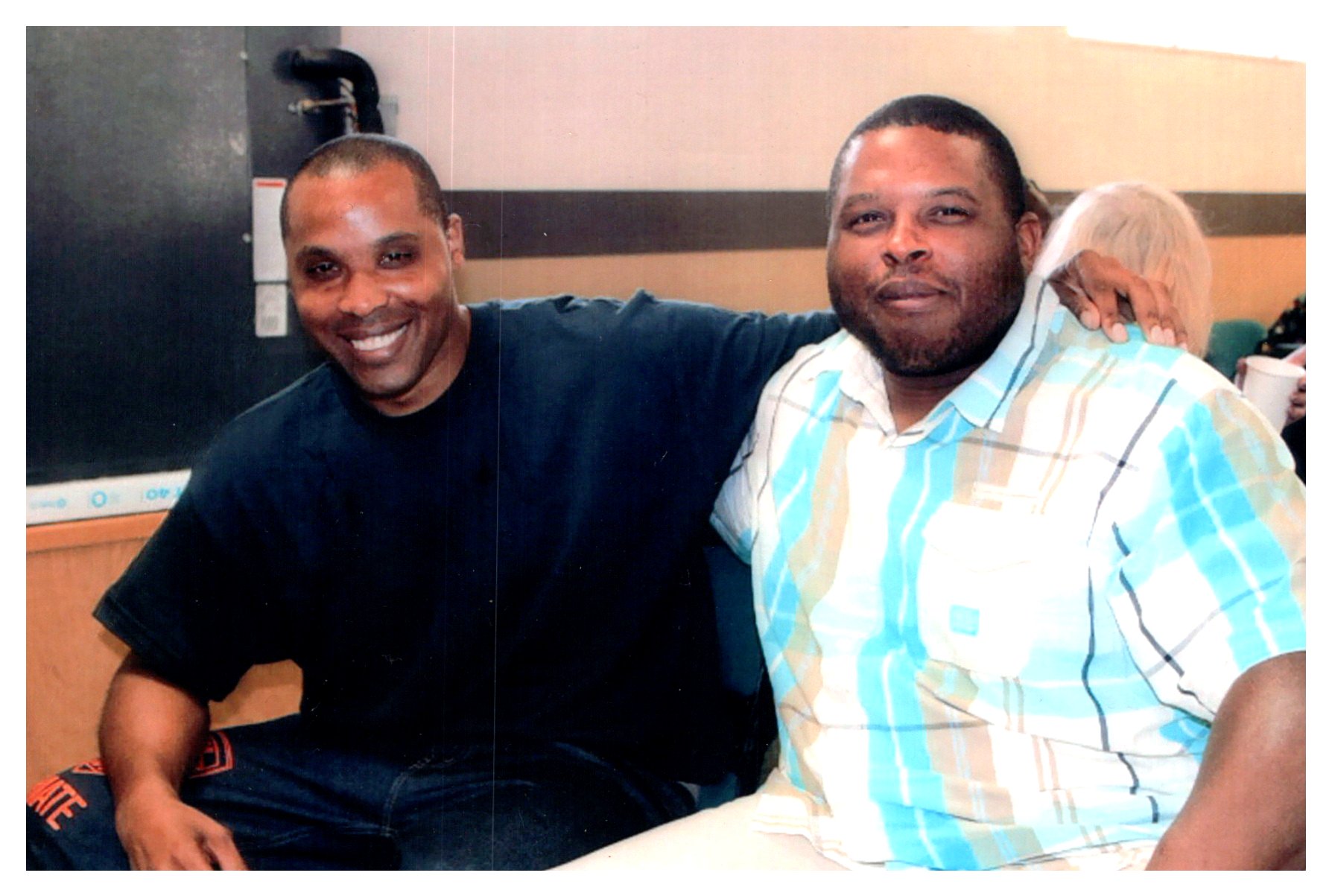
Dear Twin Brother,
I love you. I know you know that, but I feel it’s important to explicitly reaffirm it from time to time. Where do I begin? I don’t quite know, but there is so much in me that I want to express to you, so you’ll know exactly what’s in my heart.
First, I cannot express how truly lucky and blessed I am to have had you as my brother and best friend my entire life. My dear twin. My brother. My other half. Despite the fact that we are fraternal and, therefore, only share 50% of our DNA, we couldn’t be closer in every other way. We shared the same space for nine months. We were glued at each other’s hip growing up, involved in many years of Little League, Boy Scouts, and Pop Warner football together. Where one of us went, the other was only steps behind. What one of us did, the other was sure to follow. You were my security blanket in school because I knew I was never alone. My shyness kept me from freely making new friends, but with you by my side I didn’t feel compelled to. I cannot thank you enough for that, Brother.
When we came of age and gained some independence from Mom and Dad, boy, did we take advantage of it! We did many mischievous things during our identity-formation years as teens, but then you scaled back and managed to figure things out before life got out of control. I, on the other hand, was a bit more hard-headed.
Even though I wound up in prison at 19, you didn’t condemn me, make me feel less than you; instead, you were there to visit me every chance you got. You were always quick to put money on my books, answer my expensive collect calls, and even sat down many a night to write me letters (Lord knows you dreaded that!). You sacrificed so much to ensure that your twin was okay in this dreaded situation.
When I got out at 22 you were there with Dad to pick me up. Our three-year separation had taken a toll on the both of us, but now we were reunited and vowed to never be separated like that again. You took me everywhere I needed to go (treatment meetings, parole officer’s, dentist and doctor appointments), despite the fact you worked hard and had your own obligations. If there was ever a way to repay you for your tremendous generosity, I would have done it. But then again, you would never accept anything from me because you saw yourself doing what any twin brother would do for his other half. This is just another testament to how blessed I am to have you as my brother, my best friend, my other half.
Then I put you in the worst situation one could have that fateful night in 2003. I disregarded your life when I ignored your dire warnings to slow down; instead I defiantly sped up and recklessly crashed. Thank God you were not injured. I don’t know how I could have lived with myself had I hurt you – or worse. The thought itself makes my stomach churn.
I put you in this horrid situation once again: collect calls, visits, letters and birthday cards through the mail. Saying I’m sorry doesn’t even come close to the level of remorse and regret I have for not living up to my vow to never separate us again. Yet, staying true-to-form, you never held it against me or made me feel worse than I already felt when this happened — that’s not who you are. Having said that, I still can’t help but live with great disappointment for letting you down; for subjecting you to this life of supporting your brother behind bars. But you are not one to complain, and haven’t in the now-15 years you have been in my corner. Words are simply incapable of adequately conveying my immense gratitude toward you.
Twin Brother, I could not have a stronger bond with another human being on this planet. You have been my best friend and role model for many years. I have always admired you for so many reasons — both growing up and now at 39 years old; but not even this can compare to how much I love and appreciate you. Thank you for never giving up on me, supporting me unwaveringly through my darkest hours, and showing me what unconditional love looks like. I love you.
Forever indebted,
Your Twin Brother
by Rick Fisk | Feb 2, 2019 | Inmate Contributors
If you are the type of person who doesn’t dwell on dreary details, you rarely consider prison unless it is to wish that an infamous cretin be sent there. Until I came to prison, I hardly thought anything of it. Bad people are stored in prisons until they achieve the correct amount of … something … ripeness? Penance? Correction?
No, prison isn’t a place the average person thinks about. That kind of subject is what experts are for; criminologists, lawyers, lawmakers, crime victims, people who say they are advocates for crime victims, police union representatives, police admimistrators, law enforcement technology providers, corrections officials, lobbyists representing private prison operators, subcommittees, party wonks; anyone but common citizens.
This lack of consideration is, I believe, why our country is the global leader in lock ‘em up and forget ‘em.
The prison system in the United States became the world’s largest because it was founded upon those age-old policy nuggets: demagoguery and political correctness. Conditions have improved in the last few decades. We have finally decided that prison rape and murder are slightly more distasteful than education and healthcare for inmates, but just barely.
I bet you didn’t know that political discourse among inmates resembles your Facebook page. Or that even before Drake shocked white democrats, there were more than a few black Trump supporters behind bars. Or that there were less fistfights in prison sparked by political differences than there were at political rallies, believe it or not. Racists are tolerated with far more grace in prison because survival in here often relies on racism – another of prison’s unfortunate features.
I was disappointed in similarities of opinion between inmates and free citizens. I imagined that the oppression would result in a healthy distrust of the powers that be. I was wrong. For instance, many inmates of all backgrounds parrot the president’s immigration stance even though it is obvious Trump Hotels couldn’t be constructed or operated without an army of immigrants.
An old Mexican-American man on my unit was offered parole if he would renounce his U.S. citizenship and move to Mexico. England in the eighteenth and nineteenth centuries called this practice ‘transportation.’ The old man agreed. I might too, if I were fluent in Spanish. Instead, I’ll parole into a population full of people meaner than many inmates I’ve known, without a say-so in politics.
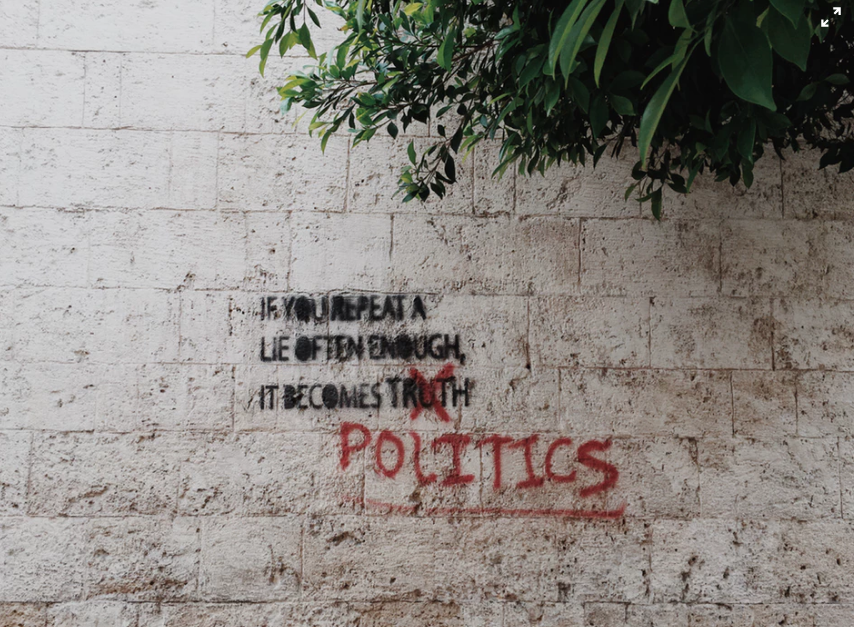
I look forward to greater freedom but wonder how my country, if my country, is going to come to its senses. Right now the people are at war and want to punish anyone who doesn’t think like them. The irony is that the warring factions do think alike. Both sides hate each other. It isn’t a way to improve anything. The hatred guarantees that the country will plot punishment’s pendulumn swing every two, four, six, or eight years, to the benefit of the winners alone.
What other result can a two-party-entrenched system bring? Another generation locked up and forgotten.

by Martin Lockett | Jan 9, 2019 | Inmate Contributors
We are pleased to share this Opinion Piece in The Oregonian by guest columnist and frequent AI blogger Martin Lockett.
I had been drinking all day on New Year’s Eve of 2003 and then, had gone to a party to celebrate more. Later, as I drove my twin brother home, he tried repeatedly to get me to slow down, to drive more carefully. But I ignored him.
Moments later, I sped through the intersection of Northeast Martin Luther King Jr. Boulevard and Fremont Street and crashed into a car. As I was being interviewed by a police officer, he told me that I had killed two people and another was being life-flighted to Emmanuel Hospital.
It was days later when The Oregonian newspaper was delivered to my cell that I grasped the devastation — and the irreversibility — I had caused my community. It turned out that my victims were actively working their own programs of recovery from substance use. They had turned their lives around and were helping others do the same. Now they were gone.
Employees and clients at Volunteers of America and other recovery-related organizations were in shock and disbelief as they learned about the tragic deaths of their friends, mentors and loved ones.
Nearly a year later at my sentencing, I was confronted by my victims’ family members who were just a few feet away from me as they gave their victim impact statements. They offered me forgiveness that I didn’t deserve, yet they also made it known I took something immeasurable from them that they could never get back: Any more precious memories they’d ever make with their mothers.
Then I stood up, turned around and addressed the courtroom: “My indictment says I acted with extreme indifference toward the value of human life, but I can assure everyone here that my feelings have been anything but indifferent since the day this happened. And I know it’s not much consolation, but I vow to spend the rest of my life doing all I can to ensure something like this never happens again.”
With that, I was sentenced to 17 years and six months.
For the next three years I lived with immense guilt and shame for the senseless decision to drink and drive that fateful night because it changed the course of these people’s lives forever. But once I was able to forgive myself, I was able to positively channel that energy into making a difference in the lives of others, carrying on the legacies of the people I had taken from this world.
In keeping with that solemn life vow that I made more than 14 years ago to my victims’ family and friends — and my own — I have used my time to earn an education toward a career in counseling. I knew this would give me an opportunity to help others struggling with addiction, the same addiction that led to me killing two people. In these efforts, I have earned a master’s degree in psychology and published my memoir, “Palpable Irony,” in an effort to detail and warn against the dangers of drinking and driving. Three years ago, I was given a rare opportunity to share my story and help lead panels of victims hurt by other impaired drivers here at the prison. This restorative justice program provides profound healing for many men incarcerated for fatal car collisions as well as victims who come in and tell us their heart-wrenching stories. Those in attendance are incredibly moved and grateful for having heard so many compelling stories that urge them not to drink and drive.I currently work as a certified recovery mentor in a drug and alcohol treatment program at the prison. I mentor men one on one, counsel them in group settings and assist them with recovery-related issues. This is such a unique position within the Oregon Department of Corrections, and I couldn’t be more grateful and humbled that I would be entrusted with such a responsibility. Through this effort, I have earned state certification as a recovery mentor, and I expect to receive my state certification as drug and alcohol counselor early next year. This work is my life’s passion. Not because it makes me look good, or makes a lot of money, or because it could reduce my sentence. It can’t.
Rather, I do this work because my reckless actions took two beautiful people from this world. Therefore, I will honor their precious lives and bring meaning to mine every day through using my story, education and experiences to help others not follow in my footsteps.
And, because I said I would.
— Martin L. Lockett, MS, CRM, is serving the 15th year of a 17-year sentence at the Oregon State Penitentiary in Salem.

by Martin Lockett | Dec 24, 2018 | Inmate Contributors
Christmas is a festive time of year, when family members get together to enjoy robust meals, open presents, and share good ole’ rare quality time. During the holidays, people tend to let bygones be bygones, differences become trivial, and allow their love for one another to rule the day. It’s the season of giving, cheerful volunteering, and routinely putting others before ourselves. Who wouldn’t love this time of year? I have an answer.
Prisons across this vast country incarcerate over 2.3 million people – PEOPLE! This means tens of millions of people are directly affected by this epidemic. Countless children wake up on Christmas morning to open gifts with one parent there to watch their shining faces as they rip open packages of their favorite toys, while the other (in most cases Daddy) sits in a cell, heartbroken that he has missed out on yet another Christmas Day with his family. If he’s lucky, he’ll get to make a limited phone call later in the day to wish his family a merry Christmas, but many are not even afforded this luxury.
I have been incarcerated for fifteen years, and am beyond blessed to have had the love of my family for the entire time. Others around me, however, have not been as blessed. It breaks my heart to see so many men for so many years go without even a single phone call on Christmas. They have no one to call; they have no family to answer on the other end, no family to send them a Christmas card, no family to come visit them. They carry on as though they are unfazed by their lack of family support, but when you’ve been around these people every day, year after year, their pain is evident in their faces, and heard in their voices.
Also evident however, is the camaraderie I have witnessed over the last decade and a half during this time of year. Guys come together unlike any other time of the year, piecing together assortments of canteen ingredients to prepare “spreads,” burritos, nachos, and any other fine prison cuisine they can concoct. The banter is louder, the playing is more, well, playful, and the overall mood is palpably more jovial. It’s certainly no replacement for time spent with our families, but the surrogate families that are created in prison and on full display during the holiday season is encouraging and dare I say even heartwarming. It is, in fact, all that many have to look forward to, accepting they can expect nothing from the outside world during this season.
Some are fortunate enough to receive visits – even on Christmas itself – and cards, to remind them they are still loved, important, and dearly missed. But then I am forced to think about the impact on the family that comes to see their confined loved one. How do they feel when they leave him or her behind and return home to enjoy their Christmas dinner, and open gifts? And how do they answer the four-year old who repeatedly asks why Daddy or Mommy is not home for this special day?
For those of you who have a family member incarcerated and are in a position to support him or her through their hardship, please know they appreciate your devotion more than they can ever express. I thank you for giving them the invaluable gift of knowing they still matter, despite the rest of the world having essentially forgotten they even exist. For those of you who know someone incarcerated but haven’t, for whatever reason, found time or energy to write, visit, or send a card in years, I strongly encourage you to find a way to do so this holiday season. The gesture would be met with indescribable gratitude. As mentioned earlier, I, personally, am grateful for the unwavering support my family has shown and continues to show through my plight; others in this horrid situation are not as fortunate. Therefore, it is my solemn plea to all who read this and know someone who is incarcerated to send a card or letter, or to visit during this precious holiday season. This is all I want for Christmas.